

US Call Center Excellence in 2026: The Complete Guide
The demand for a us call center continues to grow stronger in 2026, defying predictions that offshore operations would completely dominate the customer service landscape. American businesses across multiple sectors recognize that domestic contact centers deliver unique advantages that directly impact customer satisfaction, brand reputation, and revenue generation. From travel companies managing complex itineraries to utility providers handling emergency service requests, the value of US-based customer support teams remains unmatched for specific business requirements and customer segments.
Why Businesses Still Choose US Call Center Operations
Contents
Despite cost pressures, companies continue investing in domestic contact center infrastructure for compelling strategic reasons. The us call center advantage extends far beyond simple geography, encompassing cultural understanding, regulatory compliance, and communication quality that resonates with American customers.
Cultural Alignment Creates Better Customer Experiences
When customers call for support, they expect representatives who understand regional nuances, local references, and American communication patterns. A us call center provides this inherent cultural fluency without extensive training programs or ongoing coaching interventions.
Key cultural advantages include:
- Native understanding of regional dialects and colloquialisms
- Familiarity with American holidays, time zones, and business practices
- Immediate recognition of brand references and pop culture contexts
- Natural conversation flow that builds rapport quickly
Customers consistently report higher satisfaction scores when interacting with domestic agents who share their cultural background. This connection translates directly into improved first-call resolution rates and reduced escalation volumes.
Regulatory Compliance and Data Security Standards
Operating a us call center ensures automatic alignment with federal and state regulations governing customer data protection, privacy standards, and industry-specific compliance requirements. The regulatory landscape continues evolving, with U.S. call center quality standards becoming increasingly stringent across sectors like healthcare, financial services, and telecommunications.

Companies in heavily regulated industries find that domestic operations significantly reduce compliance risk and simplify audit processes. The legal framework governing us call center operations provides clearer guidelines and more predictable enforcement than navigating multiple international jurisdictions.
Market Trends Driving US Call Center Demand in 2026
The contact center industry has experienced significant transformation over the past several years, with technology adoption accelerating across all operational areas. According to comprehensive industry statistics, the BPO call center sector continues expanding despite economic uncertainty and technological disruption.
AI Integration Enhances Rather Than Replaces Human Agents
Artificial intelligence has fundamentally changed how contact centers operate, but AI’s impact has created new opportunities rather than eliminating jobs. A modern us call center leverages AI for routine tasks while empowering human agents to handle complex situations requiring empathy, judgment, and creative problem-solving.
| AI Application | Human Agent Role | Combined Outcome |
|---|---|---|
| Initial customer routing | Complex issue resolution | Faster resolution times |
| Sentiment analysis | Emotional support delivery | Higher satisfaction scores |
| Knowledge base search | Contextual interpretation | Improved first-call resolution |
| Quality monitoring | Personalized service delivery | Enhanced quality assurance |
The synergy between artificial intelligence and skilled agents creates superior customer experiences that neither technology nor humans can achieve independently. This balanced approach has become a hallmark of leading us call center operations that prioritize both efficiency and service quality.
Industry-Specific Demand Remains Strong
Certain sectors demonstrate particularly strong preference for domestic contact center operations. Travel companies managing booking changes, cancellations, and complex itinerary modifications benefit enormously from agents who understand American geography and travel patterns. Similarly, utility providers require specialized call center outsourcing that combines technical knowledge with local market understanding.
Industries with sustained us call center demand:
- Healthcare and medical services
- Financial services and banking
- Travel and hospitality
- Utilities and telecommunications
- Insurance and claims processing
- Government and public sector
- Technology and software support
These sectors prioritize service quality, regulatory compliance, and customer trust over pure cost minimization, making domestic operations the logical choice for their customer engagement strategy.
Operational Excellence in Modern US Call Centers
Running a high-performance us call center in 2026 requires sophisticated operational practices that balance technology adoption with human expertise development. The most successful operations continuously evolve their processes to meet changing customer expectations and competitive pressures.
Workforce Management and Agent Development
Recruiting and retaining skilled agents represents one of the biggest challenges facing domestic contact centers. The tight labor market demands competitive compensation packages, professional development opportunities, and workplace flexibility that appeals to modern workers.
Leading us call center operations invest heavily in comprehensive training programs that develop both technical skills and soft skills essential for exceptional customer service. Initial onboarding typically spans three to four weeks, covering product knowledge, systems proficiency, communication techniques, and company culture immersion.
Ongoing development programs keep agents engaged and continuously improving their capabilities. Monthly coaching sessions, quarterly performance reviews, and annual career development planning create clear advancement pathways that reduce turnover and build institutional knowledge.
Technology Stack Optimization
Modern contact center technology has evolved dramatically, with cloud-based platforms replacing legacy on-premise systems across the industry. The best call center software solutions now offer integrated capabilities spanning voice, digital channels, workforce management, quality assurance, and analytics.

Selecting the right technology stack requires careful evaluation of business requirements, integration capabilities, scalability potential, and total cost of ownership. A well-designed us call center technology infrastructure supports agent productivity while capturing detailed performance data that drives continuous improvement.
Quality Assurance and Performance Monitoring
Maintaining consistent service quality across hundreds or thousands of daily interactions demands robust quality assurance frameworks. Modern us call center operations employ multi-layered quality programs that combine automated monitoring with human evaluation.
Quality assurance components:
- Automated call recording and sentiment analysis
- Random sampling for detailed human evaluation
- Customer satisfaction surveys following interactions
- Real-time performance dashboards for supervisors
- Calibration sessions ensuring evaluator consistency
- Agent self-assessment and peer review programs
These interconnected quality mechanisms create accountability while identifying training opportunities and recognizing exceptional performance. The data generated feeds back into coaching programs, process improvements, and strategic planning initiatives.
Overcoming Common US Call Center Challenges
Despite their advantages, domestic contact centers face distinct operational challenges that require strategic solutions. Understanding these obstacles and implementing proactive countermeasures separates high-performing operations from struggling facilities.
Managing Labor Costs While Maintaining Quality
The primary disadvantage of us call center operations compared to offshore alternatives remains labor costs. Domestic agents command significantly higher wages than their international counterparts, creating pressure to maximize productivity without sacrificing service quality.
Successful operators address this challenge through strategic workforce optimization that balances full-time employees with flexible staffing models. Many implement blended approaches combining core domestic teams for complex interactions with customer care outsourcing partnerships that provide cost-effective capacity during peak periods.
Technology investments that automate routine tasks allow expensive human resources to focus on high-value interactions where their skills generate maximum return. This strategic allocation ensures every dollar spent on labor delivers measurable business impact.
Combating Agent Burnout and Turnover
Contact center work demands emotional resilience, multitasking abilities, and sustained focus that can lead to burnout if not properly managed. The us call center industry averages annual turnover rates between thirty and forty-five percent, creating significant recruitment and training costs.
| Retention Strategy | Implementation | Expected Impact |
|---|---|---|
| Career advancement paths | Clear progression from agent to team lead to supervisor | 15-20% turnover reduction |
| Schedule flexibility | Self-service shift selection and swap capabilities | 10-15% satisfaction improvement |
| Recognition programs | Monthly awards, peer nominations, public acknowledgment | Enhanced engagement scores |
| Wellness initiatives | Mental health resources, stress management training | Reduced absenteeism |
Forward-thinking us call center operations prioritize agent wellbeing as a core business strategy rather than a human resources afterthought. The correlation between agent satisfaction and customer satisfaction has been documented extensively across the industry.
Security Threats and Fraud Prevention
The rise of sophisticated fraud techniques targeting contact centers demands heightened security awareness and advanced protective measures. AI voice fraud is exploiting contact centers through synthetic voice technology that bypasses traditional authentication methods, creating new vulnerabilities that require adaptive security strategies.
A secure us call center implements multi-factor authentication, continuous voice biometrics, behavioral analysis, and strict data access controls that protect both customer information and company assets. Regular security training keeps agents alert to social engineering tactics and emerging threat patterns.
The Future Landscape for US Call Centers
Looking ahead, the domestic contact center industry continues evolving in response to technological advancement, changing customer expectations, and competitive dynamics. Several trends will shape how us call center operations develop over the coming years.
Hybrid Work Models Become Standard Practice
The pandemic permanently altered expectations around workplace flexibility, with agents increasingly demanding remote work options. Hybrid models that combine work-from-home capabilities with periodic in-office collaboration have emerged as the new standard for us call center operations.
This shift requires investments in remote infrastructure, virtual supervision capabilities, and culture-building initiatives that maintain team cohesion across distributed workforces. Companies that successfully navigate this transition access broader talent pools while reducing real estate costs.
Voice Communication Remains Central Despite Channel Proliferation
While digital channels continue gaining market share, voice still rules in the AI-powered contact center for interactions requiring nuanced communication or emotional support. The telephone remains the preferred channel for complex issues, urgent requests, and sensitive situations where customers value real-time human connection.
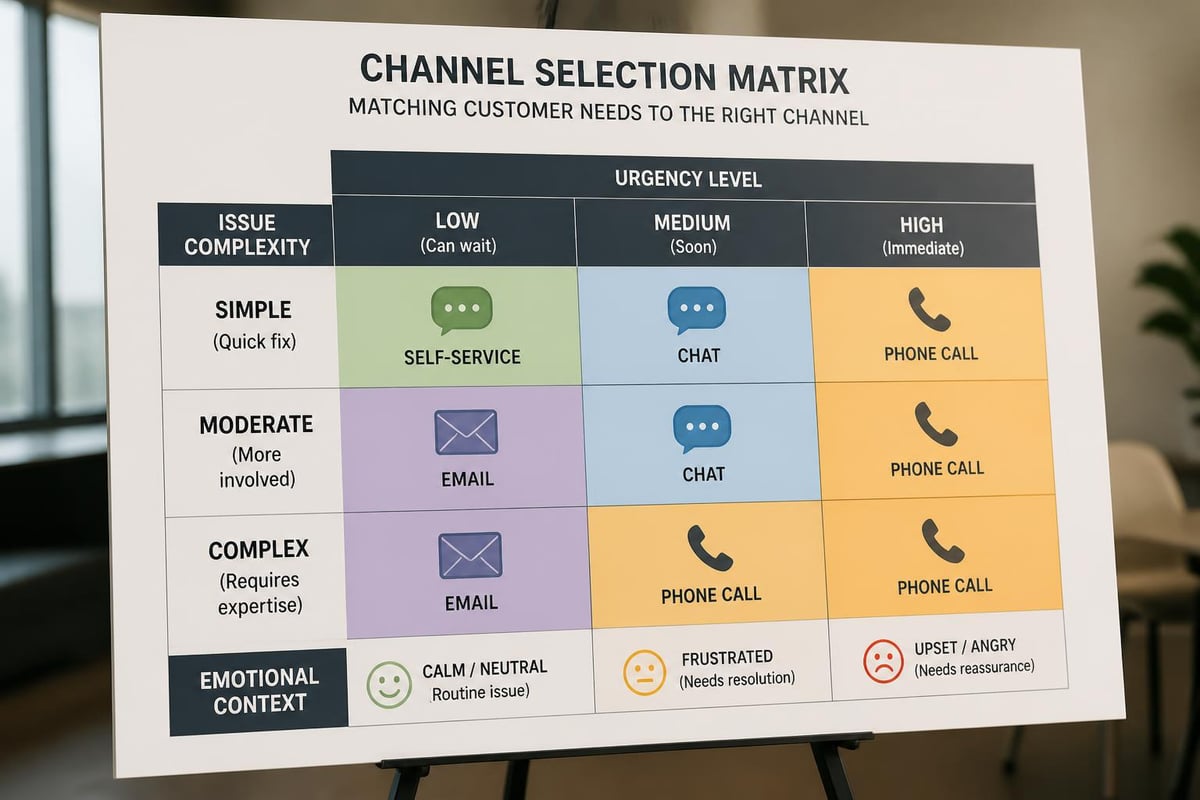
Successful us call center operations optimize each channel for its strengths while creating seamless transitions when customers need to escalate from digital self-service to live agent assistance. This omnichannel approach respects customer preferences while managing operational costs effectively.
Vertical Specialization Drives Competitive Advantage
Generic contact centers struggle to differentiate themselves in an increasingly competitive marketplace. The most successful us call center providers develop deep expertise in specific industries, building specialized knowledge bases, industry-specific training programs, and vertical-focused technology configurations.
This specialization strategy creates defensible competitive positions and justifies premium pricing through superior business outcomes. Focus Services exemplifies this approach, delivering industry-specific solutions for sectors like travel and utilities where specialized knowledge directly impacts customer satisfaction and operational efficiency.
Selecting the Right US Call Center Partner
For companies evaluating whether to build internal capabilities or partner with specialized providers, several factors should guide the decision-making process. The choice between in-house and outsourced operations depends on strategic priorities, growth trajectory, and core competency allocation.
Build Versus Buy Decision Framework
Organizations with customer service as a core brand differentiator may choose to maintain direct control through internal us call center operations. This approach provides maximum oversight, cultural integration, and proprietary process development at the cost of significant capital investment and ongoing operational complexity.
Alternatively, partnering with established providers delivers immediate access to proven infrastructure, trained workforces, and operational expertise without substantial upfront investment. This model particularly appeals to growing companies that need scalable capacity without diverting management attention from core business activities.
Evaluation criteria for outsourcing partners:
- Industry experience and vertical expertise
- Geographic footprint and facility capabilities
- Technology platform sophistication
- Quality assurance methodology
- Pricing structure and contract flexibility
- Cultural alignment and communication style
- Security certifications and compliance track record
Thorough due diligence during partner selection prevents costly misalignments and establishes foundations for long-term successful relationships. Customer services outsourcing companies vary significantly in capabilities, specialization, and service philosophy, making careful evaluation essential.
Implementation Best Practices
Launching a new us call center operation or transitioning to an outsourcing partner requires detailed planning and phased implementation that minimizes disruption while building operational excellence. Successful transitions typically follow proven methodologies developed through extensive industry experience.
The initial planning phase should clearly define success metrics, establish baseline performance measurements, and create detailed transition timelines with specific milestones. Knowledge transfer from existing operations to new teams requires structured documentation, comprehensive training, and extended overlap periods that ensure continuity.
Pilot programs starting with limited volume or specific interaction types allow teams to refine processes before full-scale deployment. This staged approach identifies issues early when corrections are simpler and less costly than addressing problems after complete transition.
The sustained demand for us call center operations reflects fundamental business realities that transcend short-term cost considerations. Companies prioritizing customer experience, regulatory compliance, and brand protection continue choosing domestic contact center solutions that deliver measurable advantages. Whether you’re expanding internal capabilities or exploring outsourcing partnerships, Focus Services brings decades of experience operating high-performance contact centers across the United States and globally, with specialized expertise in industries like travel and utilities where service quality directly impacts business success.

Leave a Reply
Want to join the discussion?Feel free to contribute!