
IT Services Outsourcing: Strategic Guide for 2026
Organizations across industries face mounting pressure to innovate faster while controlling operational costs. IT services outsourcing has emerged as a strategic solution, enabling businesses to access specialized expertise, accelerate digital transformation, and maintain competitive advantages without the burden of managing every technical function in-house. As we navigate through 2026, the landscape of technology outsourcing continues to evolve, driven by artificial intelligence, cloud computing, and increasingly sophisticated service delivery models.
Strategic Framework for IT Services Outsourcing in 2026
IT services outsourcing represents the strategic delegation of technology functions to external service providers who specialize in delivering specific capabilities. This practice extends beyond simple cost reduction, encompassing comprehensive technology management, application development, infrastructure maintenance, cybersecurity, and emerging technology implementation.
The fundamental value proposition centers on accessing specialized skills that may be difficult or expensive to maintain internally. Organizations benefit from providers who invest continuously in the latest technologies, methodologies, and talent development. This creates a competitive advantage, particularly for mid-market companies competing against larger enterprises with extensive internal IT departments.
Core Categories of IT Services Outsourcing
Modern outsourcing arrangements typically fall into several distinct categories, each serving specific organizational needs:
- Infrastructure Management: Server administration, network monitoring, cloud platform management, and hardware maintenance
- Application Services: Software development, application maintenance, legacy system modernization, and quality assurance
- Cybersecurity Operations: Threat monitoring, incident response, compliance management, and security architecture
- Help Desk and Technical Support: End-user assistance, troubleshooting, and technical guidance
- Data Management: Database administration, analytics platforms, data governance, and business intelligence
The boundaries between these categories continue to blur as providers develop integrated service offerings. Many organizations now pursue hybrid models, retaining strategic technology leadership internally while outsourcing tactical execution and specialized functions.

Strategic Drivers Behind IT Services Outsourcing Decisions
Business leaders evaluate outsourcing through multiple strategic lenses. Cost optimization remains important, but contemporary decision frameworks incorporate broader considerations around agility, innovation, and risk management.
Access to specialized expertise tops many priority lists. The rapid evolution of technologies like artificial intelligence, machine learning, and advanced automation creates skill gaps that traditional hiring cannot address quickly enough. External providers maintain talent pools with current certifications and hands-on experience across diverse client environments.
According to Deloitte’s 2025 Global Business Services Survey, organizations increasingly view outsourcing as an enabler of digital transformation rather than merely a cost reduction tactic. This shift reflects maturation in how companies approach external partnerships, emphasizing outcome-based relationships and strategic collaboration.
Financial and Operational Advantages
| Benefit Category | Primary Value | Secondary Impact |
|---|---|---|
| Cost Efficiency | 25-40% reduction in operational expenses | Predictable monthly budgeting |
| Scalability | Rapid capacity expansion or contraction | Alignment with business cycles |
| Focus | Redirect internal resources to core business | Enhanced competitive positioning |
| Innovation | Access to emerging technologies | Faster time-to-market |
The financial case for it services outsourcing extends beyond direct labor cost comparisons. Organizations avoid capital expenditures on infrastructure, reduce facility costs, eliminate recruitment and training expenses, and convert fixed costs into variable expenses that scale with business demands.
The structural foundation of successful outsourcing relationships rests on well-crafted agreements that balance flexibility with accountability. Contract models have evolved significantly, moving away from traditional time-and-materials arrangements toward outcome-based pricing and service-level agreements tied to business metrics.
Technology outsourcing contractual trends reflect broader industry shifts toward shorter-term agreements, typically ranging from three to five years rather than the decade-long contracts that characterized earlier outsourcing waves. This shorter duration enables organizations to adapt more quickly to technological changes and market conditions.
Essential Contract Components
Comprehensive outsourcing agreements address multiple dimensions of the relationship:
- Scope Definition: Precise articulation of included services, exclusions, and boundaries of responsibility
- Performance Metrics: Quantifiable service levels, response times, resolution targets, and quality standards
- Pricing Structure: Fee models, escalation terms, volume discounts, and adjustment mechanisms
- Governance Framework: Decision-making processes, escalation paths, and regular review cadences
- Transition Planning: Onboarding procedures, knowledge transfer protocols, and eventual exit strategies
- Security and Compliance: Data protection requirements, regulatory adherence, and audit rights
The governance component deserves particular attention. Effective partnerships establish regular touchpoints for performance review, strategic planning, and continuous improvement. These structured interactions prevent relationship drift and ensure alignment as business needs evolve.
Risk Management and Mitigation Strategies
While it services outsourcing delivers substantial benefits, it introduces risks that require proactive management. Security vulnerabilities, service disruptions, vendor dependency, and compliance challenges represent the most significant concerns for organizations considering external partnerships.
PwC’s analysis of IT outsourcing risks emphasizes the importance of comprehensive due diligence before selecting providers. This evaluation should examine financial stability, security certifications, disaster recovery capabilities, and track records with clients in similar industries.
Security and Compliance Considerations
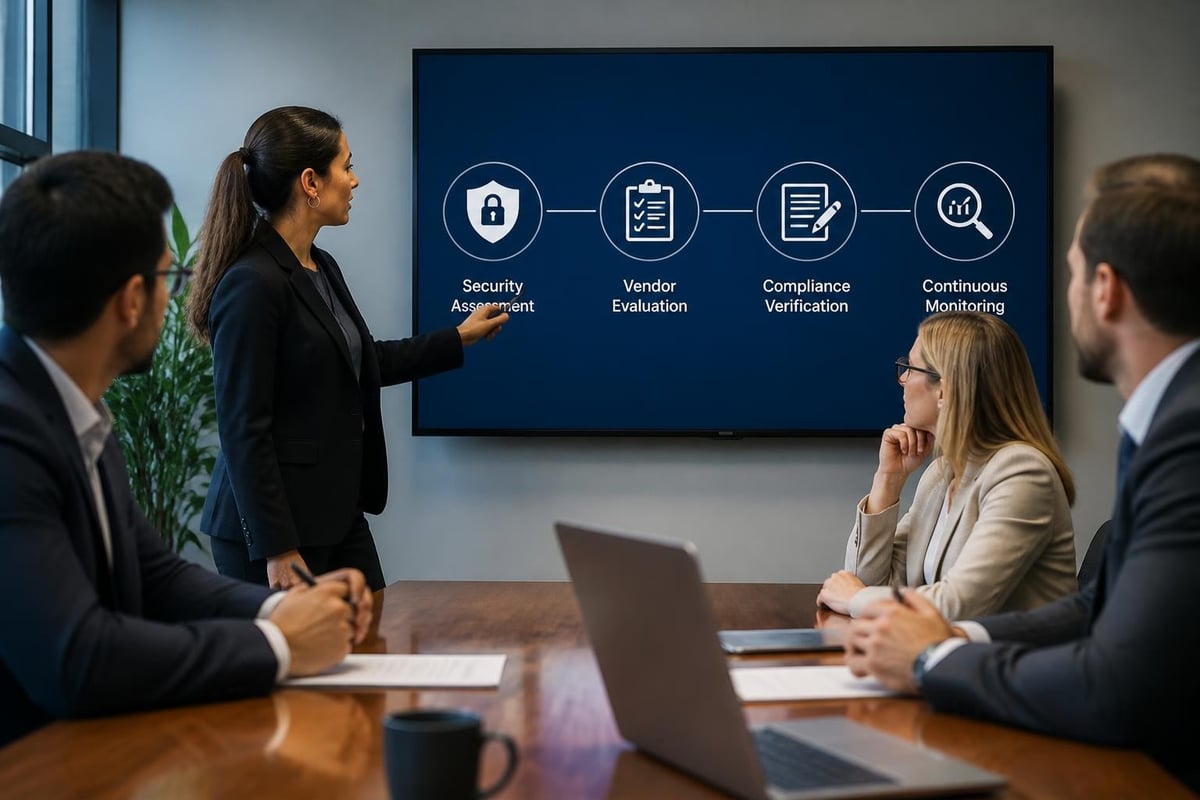
Data protection and regulatory compliance rank among the top concerns, particularly for organizations in highly regulated sectors like financial services, healthcare, and telecommunications. The regulatory landscape continues to tighten, with frameworks like the Digital Operational Resilience Act in Europe establishing stringent requirements for third-party service arrangements.
Organizations must ensure providers maintain robust security postures including:
- Access Controls: Multi-factor authentication, role-based permissions, and privileged access management
- Encryption Standards: Data protection in transit and at rest using current cryptographic protocols
- Incident Response: Documented procedures for breach detection, containment, and notification
- Audit Capabilities: Regular security assessments, penetration testing, and compliance certifications
The geographic distribution of service delivery adds complexity. Providers operating across multiple jurisdictions must navigate varying data sovereignty requirements, privacy regulations, and cross-border transfer restrictions. This complexity requires careful contract language and ongoing compliance monitoring.
Technology Trends Reshaping IT Services Outsourcing
Artificial intelligence and automation fundamentally alter the economics and capabilities of outsourced IT services. Providers increasingly embed AI tools into service delivery, improving efficiency, reducing error rates, and enabling predictive maintenance approaches that prevent issues before they impact operations.
Generative AI applications now assist with code development, documentation creation, and help desk responses. These capabilities accelerate project delivery while potentially reducing the human resources required for routine tasks. However, they also raise new questions about intellectual property, accuracy verification, and the evolving skill requirements for technology professionals.
Cloud-Based Service Delivery Models
Cloud computing has become the default infrastructure for modern it services outsourcing arrangements. The shift from on-premises data centers to cloud platforms enables greater flexibility, faster deployment, and consumption-based pricing that aligns costs with actual usage.
Service models continue to proliferate:
- Infrastructure as a Service (IaaS): Virtual computing resources, storage, and networking
- Platform as a Service (PaaS): Development environments, middleware, and deployment frameworks
- Software as a Service (SaaS): Complete applications delivered through web interfaces
- Business Process as a Service (BPaaS): End-to-end process management including technology and operational services
The convergence of IT outsourcing with business process outsourcing reflects recognition that technology cannot be separated from the processes it enables. Organizations like Focus Services demonstrate this integrated approach, combining technology platforms with operational expertise to deliver comprehensive customer engagement solutions.
Selecting the Right Outsourcing Partner
Provider selection represents perhaps the most critical decision in the outsourcing journey. The relationship often extends for years and touches core business operations, making thorough evaluation essential.
Evaluation criteria should extend beyond cost proposals to encompass strategic fit, cultural alignment, and long-term viability. Organizations benefit from structured selection processes that include multiple stakeholder perspectives and realistic assessments of provider capabilities.
Key Evaluation Dimensions
| Criterion | Evaluation Focus | Weight Factor |
|---|---|---|
| Technical Expertise | Relevant certifications, case studies, technology stack | High |
| Financial Stability | Revenue trends, client retention, investment capacity | High |
| Cultural Compatibility | Communication style, values alignment, collaboration approach | Medium |
| Geographic Coverage | Service locations, time zone coverage, language capabilities | Medium |
| Innovation Capability | R&D investment, emerging technology adoption, thought leadership | Medium |
| References | Client testimonials, industry reputation, analyst recognition | High |
The due diligence process should include conversations with current and former clients, particularly those with similar business models or technical requirements. These discussions often reveal insights about provider strengths and weaknesses that don't emerge during formal presentations.

Implementation Best Practices for Successful Transitions
The transition from internal operations to outsourced delivery represents a critical juncture where many initiatives stumble. Rushed implementations, inadequate knowledge transfer, and poor communication create risks that can undermine even well-conceived outsourcing strategies.
Successful transitions follow structured methodologies that phase in provider responsibilities while maintaining business continuity. This typically involves parallel operations during initial periods, allowing teams to validate provider capabilities before full handoff.
Transition Planning Essentials
- Knowledge Documentation: Comprehensive recording of processes, configurations, dependencies, and institutional knowledge
- Stakeholder Communication: Regular updates to affected employees, customers, and leadership about transition progress
- Performance Baselines: Measurement of current service levels to establish comparison points
- Training Programs: Skill development for both provider teams and internal staff in new roles
- Pilot Programs: Limited-scope initial deployments to validate approaches before full rollout
The human dimension of transitions requires careful attention. Internal IT staff may perceive outsourcing as threatening their roles, creating resistance that undermines implementation success. Transparent communication about career paths, retraining opportunities, and evolving organizational needs helps address these concerns.
Measuring Success and Optimizing Performance
Ongoing value realization from it services outsourcing requires disciplined performance management and continuous improvement. Organizations that treat outsourcing relationships as static arrangements fail to capture available benefits and often experience deteriorating service quality over time.
Effective measurement frameworks balance multiple perspectives including technical performance, business impact, cost efficiency, and user satisfaction. No single metric captures the full value of outsourcing relationships, requiring balanced scorecards that reflect diverse stakeholder priorities.
Performance Monitoring Approaches
Regular performance reviews create opportunities to identify improvement areas, address emerging issues, and align on evolving priorities. These sessions should examine both tactical operational metrics and strategic business outcomes.
Key performance indicators typically include:
- Service Availability: System uptime, planned maintenance windows, unplanned outage frequency
- Response Times: Incident acknowledgment speed, resolution timeframes by priority level
- Quality Metrics: Defect rates, rework requirements, compliance violations
- User Satisfaction: Help desk ratings, stakeholder surveys, complaint volumes
- Cost Performance: Budget variance, cost per transaction, return on investment
Industry sectors with specialized requirements may add domain-specific metrics. Organizations in customer service industries, such as those utilizing travel call center outsourcing, track first-call resolution rates, customer satisfaction scores, and average handle times alongside technology performance indicators.
Future Outlook for IT Services Outsourcing
The trajectory for technology outsourcing points toward increasingly sophisticated partnerships that blur traditional boundaries between clients and providers. Collaborative models where providers assume outcome accountability rather than simply delivering specified services represent the emerging standard.
Regulatory frameworks continue evolving to address outsourcing arrangements, particularly around data protection, operational resilience, and third-party risk management. Organizations must stay current with changing requirements and ensure provider compliance with applicable standards.
The integration of advanced analytics, machine learning, and automation will further transform service delivery economics and capabilities. Organizations that actively engage with providers on innovation agendas position themselves to capture competitive advantages from emerging technologies.
Preparing for Evolution
Forward-looking outsourcing strategies incorporate flexibility to adapt as technologies and business models evolve. This includes:
- Modular Service Structures: Component-based arrangements that enable selective changes without full relationship restructuring
- Technology Refresh Provisions: Contractual requirements for provider investment in current platforms and tools
- Innovation Partnerships: Collaborative programs to pilot emerging technologies and methodologies
- Regular Strategic Reviews: Periodic assessments of alignment between outsourcing arrangements and business direction
The most successful organizations view it services outsourcing not as a fixed decision but as an evolving strategy that adapts to changing business needs, market conditions, and technological capabilities. This dynamic approach requires ongoing attention from leadership and willingness to adjust approaches based on results and emerging opportunities.
IT services outsourcing continues to evolve as a strategic enabler for organizations seeking to balance innovation, efficiency, and competitive positioning. The key to success lies in thoughtful provider selection, comprehensive risk management, and ongoing performance optimization that ensures alignment with business objectives. Focus Services brings this strategic approach to customer engagement operations, combining advanced technology platforms with global delivery capabilities to help businesses scale efficiently while maintaining exceptional service quality. Whether you're exploring outsourcing for the first time or optimizing existing arrangements, partnering with experienced providers who understand both technology and business outcomes creates the foundation for long-term success.