The phrase customer support represents more than a simple repetition. It embodies the dual nature of modern service delivery, where organizations must support both their customers and the support teams that serve them. In 2026, companies face unprecedented challenges as customer expectations rise, technology evolves rapidly, and the competitive landscape demands excellence across every interaction. Organizations that master this dual focus create sustainable advantages, driving customer loyalty while maintaining operational efficiency and agent satisfaction.
Listen more on our podcast: https://www.focusservices.com/podcasts/customer-support-in-2026/
Understanding the Dual Nature of Modern Support Operations
Customer support reflects a critical business reality: successful service organizations must invest equally in customer-facing operations and internal support infrastructure. This approach recognizes that exceptional customer experiences stem from well-supported, properly trained, and technologically empowered support teams.
The Customer-Facing Dimension
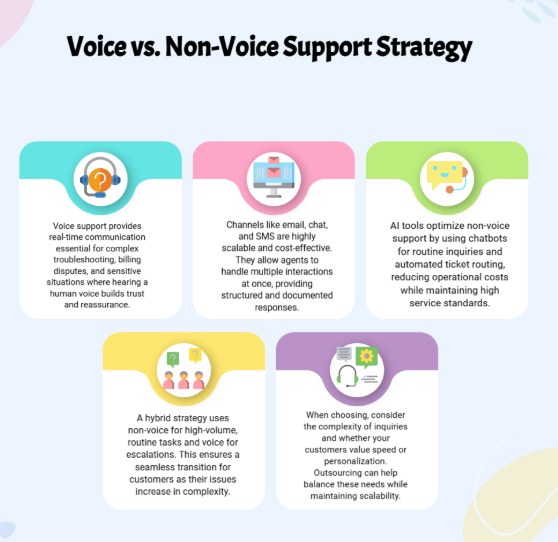
The first layer of customer support involves direct interactions with end users. These touchpoints include phone calls, chat sessions, email exchanges, and social media interactions. Each channel requires specific expertise, appropriate technology, and consistent quality standards. Companies that excel in this dimension understand that every interaction shapes brand perception and influences customer lifetime value.
Modern customers expect immediate responses, personalized solutions, and seamless experiences across all channels. According to customer service best practices, organizations must focus on comprehensive agent training and performance analysis to meet these expectations consistently.
The Internal Support Infrastructure
The second layer focuses on supporting the support team itself. This includes providing agents with robust technology platforms, comprehensive knowledge bases, ongoing training programs, and performance management systems. Organizations that neglect this internal dimension experience high turnover rates, inconsistent service quality, and declining customer satisfaction scores.

Successful contact centers invest in workforce optimization tools, quality assurance programs, and agent wellness initiatives. These investments directly impact the quality of customer interactions, creating a virtuous cycle of improvement and satisfaction.
Read more