Focus Services
  • Home
  • Services
    • Customer Care Outsourcing
    • Sales Outsourcing
    • Tech Support Outsourcing
    • AI Agent Solutions
    • IT Outsourcing
  • AI Agent Solutions
  • Industries
    • Utilities
  • Locations
  • Resources
    • Blog
    • Podcast
    • Case Studies
    • Company Updates
  • About Us
    • Leadership
    • Careers
      • Apply
  • Schedule Your Discovery Call
  • Click to open the search input field Click to open the search input field Search
  • Menu Menu
  • Link to LinkedIn
  • Link to Facebook
  • Link to Youtube
  • Link to Instagram

Telemarketing Outsourcing: Save Money & Boost with AI

April 23, 2026/0 Comments/in Call Center Outsourcing, BPO Call Center Operations, Customer Service /by Jan Santafede

Companies face relentless pressure to generate qualified leads while controlling operational expenses. Telemarketing remains one of the most direct methods for reaching prospects, but building and maintaining an in-house team demands substantial capital investment, ongoing training costs, and infrastructure overhead. Smart organizations are discovering that strategic telemarketing outsourcing delivers both cost efficiency and performance gains, especially when enhanced with artificial intelligence capabilities that multiply agent effectiveness.

Understanding the Financial Impact of Telemarketing Outsourcing

The economic advantages of outsourcing telemarketing operations extend far beyond simple wage differences. When organizations transition from in-house teams to external partners, they eliminate entire cost categories while gaining predictable monthly expenses.

Infrastructure savings represent the first major benefit. In-house telemarketing requires office space, workstations, computers, headsets, telephony systems, and dedicated IT support. These capital expenditures disappear when you partner with an established provider. The outsourcing firm absorbs facility costs, equipment depreciation, and technology maintenance.

Labor cost arbitrage creates substantial ongoing savings. Telemarketing outsourcing providers operating in markets like the Philippines, El Salvador, and South Africa offer access to talented professionals at compensation levels significantly lower than domestic markets. This geographic advantage translates directly to your bottom line without sacrificing quality.

Hidden Cost Reductions That Add Up

Beyond obvious savings, telemarketing outsourcing eliminates numerous hidden expenses that drain budgets:

  • Recruitment and onboarding costs disappear as the provider handles all hiring
  • Training program development becomes the vendor’s responsibility
  • Employee benefits packages include healthcare, retirement, and paid time off
  • Management overhead for team supervision and quality assurance
  • Technology licensing fees for CRM systems, dialers, and analytics platforms
  • Compliance and legal costs associated with employment regulations

Organizations typically reduce total telemarketing costs by forty to sixty percent through strategic outsourcing. The cost-benefit analysis reveals that even after vendor fees, the net savings remain substantial compared to maintaining equivalent in-house capacity.
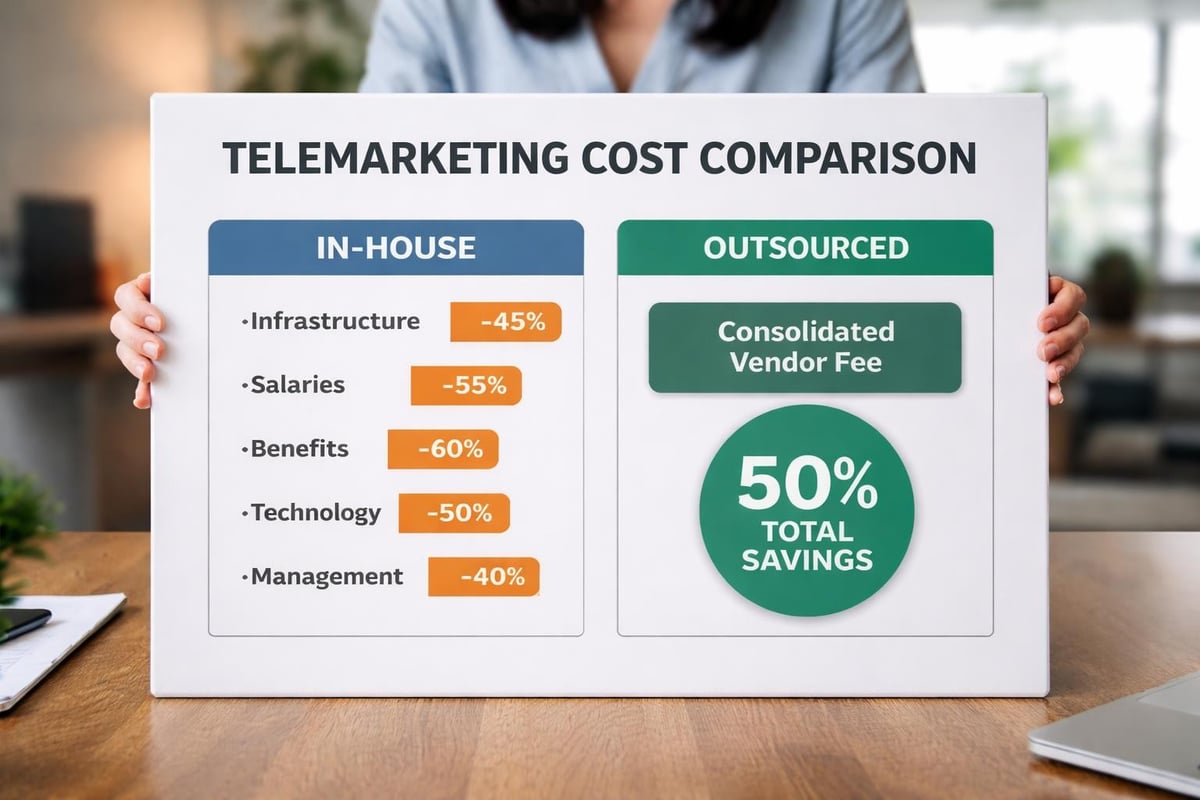

Cost comparison breakdown

Read more

Customer Support in Call Center Outsourcing 2026: A Complete Guide

April 21, 2026/0 Comments/in AI Agent Solutions, AI Call Center, Call Center Outsourcing, Customer Service /by BenJoe Markland

The phrase customer support represents more than a simple repetition. It embodies the dual nature of modern service delivery, where organizations must support both their customers and the support teams that serve them. In 2026, companies face unprecedented challenges as customer expectations rise, technology evolves rapidly, and the competitive landscape demands excellence across every interaction. Organizations that master this dual focus create sustainable advantages, driving customer loyalty while maintaining operational efficiency and agent satisfaction.

Understanding the Dual Nature of Modern Support Operations

Customer support reflects a critical business reality: successful service organizations must invest equally in customer-facing operations and internal support infrastructure. This approach recognizes that exceptional customer experiences stem from well-supported, properly trained, and technologically empowered support teams.

The Customer-Facing Dimension

The first layer of customer support involves direct interactions with end users. These touchpoints include phone calls, chat sessions, email exchanges, and social media interactions. Each channel requires specific expertise, appropriate technology, and consistent quality standards. Companies that excel in this dimension understand that every interaction shapes brand perception and influences customer lifetime value.

Modern customers expect immediate responses, personalized solutions, and seamless experiences across all channels. According to customer service best practices, organizations must focus on comprehensive agent training and performance analysis to meet these expectations consistently.

The Internal Support Infrastructure

The second layer focuses on supporting the support team itself. This includes providing agents with robust technology platforms, comprehensive knowledge bases, ongoing training programs, and performance management systems. Organizations that neglect this internal dimension experience high turnover rates, inconsistent service quality, and declining customer satisfaction scores.

Dual support structure diagram

Successful contact centers invest in workforce optimization tools, quality assurance programs, and agent wellness initiatives. These investments directly impact the quality of customer interactions, creating a virtuous cycle of improvement and satisfaction.

Read more

Customer Support in 2026: How to Build High-Performance Teams

April 20, 2026/0 Comments/in Call Center Outsourcing, Customer Service /by BenJoe Markland

Customer support teams are the frontline defenders of brand reputation and customer loyalty. Yet many organizations struggle to support customer support teams effectively, leading to burnout, high attrition rates, and declining service quality. In 2026, businesses must recognize that their customer service representatives need the right tools, training, ongoing development, and operational infrastructure to meet evolving customer expectations. This comprehensive approach to supporting support teams transforms customer experience outcomes and drives measurable business results.

Building a Foundation for Support Excellence

Creating an environment where customer support teams thrive requires strategic planning and investment in both people and systems. Organizations that support customer support operations with intentional infrastructure see significant improvements in first-call resolution rates, customer satisfaction scores, and agent retention.

The foundation begins with comprehensive onboarding programs that extend beyond basic product knowledge. New agents need to understand company values, communication protocols, escalation procedures, and the technology stack they’ll use daily. This initial investment pays dividends through faster ramp times and more confident customer interactions.

Technology Infrastructure That Empowers Agents

Modern support operations demand robust technological foundations. Helpdesk software provides the backbone for efficient ticket management, multi-channel integration, and automation capabilities that streamline support operations while maintaining service quality.

Essential technology components include:

  • Unified communication platforms that consolidate email, chat, phone, and social media interactions
  • Knowledge management systems with searchable databases and real-time content updates
  • Customer relationship management (CRM) tools that provide complete interaction histories
  • Quality monitoring software for call recording, screen capture, and performance evaluation
  • Workforce management systems that optimize scheduling and resource allocation

Integration between these systems eliminates data silos and reduces the time agents spend switching between applications. When support teams have instant access to customer information, purchase history, and previous interactions, they resolve issues faster and deliver more personalized service.

Support team technology stack integration

Training and Development Programs That Drive Performance

One-time training events fail to support customer support teams adequately in dynamic business environments. Continuous learning programs that adapt to new products, policies, and customer trends keep agents sharp and engaged.

Effective training strategies incorporate multiple learning modalities. Role-playing exercises prepare agents for difficult conversations. Microlearning modules deliver bite-sized content that fits into busy schedules. Peer mentoring programs transfer institutional knowledge and build team cohesion.

Performance data should inform training priorities. When quality assurance reviews identify common knowledge gaps or recurring customer complaints, targeted training sessions address these specific issues. This data-driven approach ensures training investments yield measurable improvements.

Skills That Differentiate Exceptional Support

Technical product knowledge represents just one component of support excellence. To truly support customer support professionals, organizations must develop broader competencies:

  1. Emotional intelligence for reading customer sentiment and responding appropriately
  2. Problem-solving abilities that enable creative solutions within policy guidelines
  3. Communication clarity across written and verbal channels
  4. Time management to balance efficiency with thoroughness
  5. Adaptability when handling unexpected situations or system changes

Companies like Focus Services emphasize these soft skills alongside technical training in their global operations, recognizing that customer interactions require both expertise and empathy. For ecommerce businesses navigating complex support scenarios, communities like Talk Shop offer peer insights from experienced merchants who’ve refined their support processes through practical experience.

Quality Assurance and Performance Optimization

Organizations cannot improve what they don’t measure. Robust quality assurance programs provide the feedback loops necessary to support customer support teams effectively while maintaining service standards.

Metric Category Key Indicators Target Benchmarks
Efficiency Average Handle Time, First Contact Resolution AHT: 6-8 minutes, FCR: 70-75%
Quality Customer Satisfaction Score, Quality Assurance Score CSAT: 85%+, QA: 90%+
Productivity Tickets Resolved, Adherence to Schedule Varies by complexity, 90%+ adherence
Knowledge Product Knowledge Score, Policy Compliance 85%+ on assessments

Balanced Scorecards for Comprehensive Evaluation

Single-metric evaluation systems create perverse incentives. Agents focused solely on handle time may rush customers. Those measured only on customer satisfaction might spend excessive time on simple issues.

Balanced scorecards evaluate multiple dimensions simultaneously. An agent receives credit for efficiency, quality, customer satisfaction, and adherence to processes. This holistic approach encourages behaviors that serve both customers and business objectives.

Regular calibration sessions ensure consistency across quality evaluators. When multiple supervisors assess the same interaction and discuss their scoring rationale, they develop shared standards that create fair, predictable evaluation processes.

Leveraging AI While Maintaining Human Connection

Artificial intelligence transforms how organizations support customer support operations, but implementation requires careful balance. AI can transform customer experiences when deployed thoughtfully, augmenting rather than replacing human agents.

AI-powered tools excel at routine tasks. Chatbots handle frequently asked questions, freeing human agents for complex issues requiring empathy and creative problem-solving. Sentiment analysis flags frustrated customers for priority routing. Predictive analytics anticipate support volume fluctuations, enabling proactive staffing adjustments.

However, customers increasingly distrust purely automated interactions. Organizations must address growing skepticism around AI by maintaining transparent handoff processes and ensuring human oversight.

AI and human agent collaboration workflow

Implementing AI Agent Solutions Strategically

Successful AI implementations follow phased rollouts. Initial deployments focus on high-volume, low-complexity interactions where automation delivers clear value. As systems learn and improve, organizations gradually expand AI capabilities.

Critical success factors include:

  • Comprehensive training data that reflects actual customer interactions
  • Continuous monitoring and refinement based on performance metrics
  • Clear escalation pathways when AI reaches confidence thresholds
  • Transparent customer communication about AI versus human interactions
  • Agent training on AI tool capabilities and limitations

Organizations investing in AI agent solutions gain competitive advantages through 24/7 availability and instant response times while maintaining service quality through human supervision.

Workforce Management and Scheduling Excellence

Understaffed contact centers frustrate customers with long wait times. Overstaffed operations waste resources. Effective workforce management strikes a balance that allows organizations to support customer support teams without excess costs.

Advanced forecasting models analyze historical data, seasonal patterns, marketing campaigns, and external factors to predict contact volume. These predictions inform staffing decisions weeks in advance, allowing time for hiring, training, and schedule adjustments.

Real-time adherence monitoring tracks whether agents follow their schedules. Deviations signal potential issues requiring supervisor intervention. Some variance is normal, but consistent patterns indicate problems with break scheduling, meeting coordination, or workload distribution.

Flexibility and Work-Life Balance

Rigid scheduling damages agent morale and increases attrition. Modern workforce management incorporates flexibility that benefits both employees and employers.

Self-service shift trading empowers agents to manage personal obligations without manager approval for every change. Flexible start times accommodate different preferences and commute patterns. Remote work options expand the available talent pool while reducing overhead costs.

Global call center operations leverage time zone diversity to provide round-the-clock coverage without forcing agents into overnight shifts. Teams in the Philippines handle volume during Asian business hours, El Salvador covers North American time zones, and South African operations support European and African customers.

Creating Positive Work Environments

Physical and cultural environments significantly impact agent performance and retention. To truly support customer support professionals, organizations must address workplace conditions comprehensively.

Comfortable workstations with ergonomic furniture prevent physical strain during long shifts. Proper lighting reduces eye fatigue. Noise management through strategic layout and acoustic treatments helps agents concentrate in busy contact centers.

Beyond physical comfort, psychological safety enables agents to raise concerns, admit mistakes, and request help without fear of punishment. This open culture accelerates learning and prevents small issues from escalating into major problems.

Recognition programs celebrate both individual achievements and team successes. Public acknowledgment of exceptional performance motivates continued excellence. Peer-nominated awards build camaraderie and highlight behaviors worth emulating.

Coaching and Continuous Improvement

Scheduled coaching sessions transform performance data into actionable development plans. Effective coaches review specific interactions, identify improvement opportunities, and practice alternative approaches through role-playing.

The coaching conversation structure matters as much as the content. Beginning with agent self-assessment encourages reflection and ownership. Discussing what went well before addressing gaps maintains morale and highlights strengths. Collaborative goal-setting ensures agents commit to improvement plans.

Documentation tracks progress over time. Agents see their growth trajectory through trending metrics and dated examples. This evidence of development builds confidence and demonstrates organizational investment in their success.

Peer Learning and Knowledge Sharing

Top performers possess insights worth spreading across the entire team. Structured knowledge-sharing programs capture and distribute this expertise systematically.

Regular team meetings include “best practice” segments where agents demonstrate effective techniques. Internal forums allow agents to post questions and share solutions. Recorded calls showcasing exceptional service become training materials for new hires.

Cross-functional collaboration exposes support teams to broader organizational perspectives. Product development teams share upcoming features early, allowing support to prepare. Marketing explains campaign messaging to prevent confusion when customers reference promotional content.

The continuous improvement cycle connecting performance monitoring, coaching sessions, skill development, metric improvement, and recognition to support customer support team growth

Outsourcing as a Strategic Support Solution

Many organizations lack the scale, expertise, or geographic presence to support customer support operations optimally in-house. Strategic outsourcing partnerships provide access to specialized capabilities and established infrastructure.

Professional BPO providers bring proven methodologies developed across hundreds of client programs. They’ve invested in technology platforms, quality frameworks, and training systems that would require significant capital and time for individual companies to replicate.

Consideration In-House Support Outsourced Support
Capital Investment High (facilities, technology, HR systems) Low (provider owns infrastructure)
Scalability Limited by hiring and training capacity Rapid expansion through established pools
Geographic Coverage Constrained by office locations Global presence with timezone coverage
Specialization Generalist approach Industry-specific expertise available
Focus Diverts management attention Allows focus on core business

Selecting the Right Outsourcing Partner

Not all BPO providers deliver equivalent value. Due diligence identifies partners whose capabilities, culture, and approach align with organizational needs and values.

Key evaluation criteria include:

  1. Industry experience with similar products, customer profiles, and complexity levels
  2. Technology infrastructure that integrates with existing systems and supports required channels
  3. Quality processes including monitoring methodologies, training programs, and performance guarantees
  4. Workforce practices covering hiring standards, retention initiatives, and career development
  5. Cultural alignment with communication styles, problem-solving approaches, and customer philosophies
  6. Financial stability ensuring long-term partnership viability

Organizations implementing quality frameworks like Six Sigma in their outsourced operations demonstrate commitment to systematic improvement and data-driven decision making.

Adapting to Evolving Customer Expectations

Customer service standards continuously rise as innovative companies set new benchmarks. What impressed customers in 2020 barely meets expectations in 2026. Organizations must support customer support teams through constant evolution.

Current customer service trends emphasize speed, personalization, and omnichannel consistency. Customers expect immediate responses regardless of contact channel. They want agents who recognize them and understand their history. They demand seamless transitions when switching from chat to phone or email.

Meeting these expectations requires significant investment in systems, processes, and people. Support teams need comprehensive customer data instantly accessible. They need authority to make decisions without excessive escalation. They need training on emerging channels and evolving customer preferences.

Proactive Support Strategies

Reactive support models wait for customers to identify and report problems. Proactive approaches anticipate issues and address them before customers experience frustration.

Monitoring systems track product performance and alert teams to widespread problems. Automated outreach notifies affected customers and provides solutions before they contact support. Educational content prevents common mistakes and questions.

These proactive strategies reduce support volume while improving customer satisfaction. Customers appreciate companies that solve problems they didn’t know existed and provide helpful information without being asked.

Measuring Business Impact Beyond Traditional Metrics

Customer support teams influence far more than satisfaction scores. Forward-thinking organizations quantify support’s contribution to revenue, retention, and competitive positioning.

Revenue generation occurs when support agents identify upsell opportunities, prevent cancellations, and turn detractors into promoters who refer new business. Tracking these outcomes demonstrates support’s profit contribution rather than viewing it purely as a cost center.

Customer lifetime value increases when support experiences build loyalty and reduce churn. Cohort analysis comparing retention rates for customers with different support interaction histories quantifies this impact.

Product improvement accelerates when support teams systematically capture and report customer feedback. Tracking how many feature requests, bug reports, and usability issues originate from support interactions demonstrates this strategic value.

Adopting data-driven strategies transforms support from reactive firefighting into strategic business intelligence that informs decisions across the organization.

Building Resilience and Business Continuity

Unexpected disruptions test support operations’ robustness. Natural disasters, system outages, pandemics, and other crises require continuity plans that maintain service despite challenges.

Geographic distribution protects against localized events. When operations span multiple locations, one site’s issues don’t cripple entire support capabilities. Cloud-based systems enable remote work when physical locations become unavailable.

Cross-training ensures multiple agents can handle various issue types. When specialists are unavailable, generalists maintain basic service levels. Documentation captures processes clearly enough that any trained agent can execute them.

Regular testing validates continuity plans before actual emergencies. Simulated outages and disaster drills identify gaps in procedures, communication channels, and backup systems. These exercises build confidence and muscle memory for real crisis responses.


Organizations that effectively support customer support teams gain competitive advantages through superior customer experiences, efficient operations, and engaged workforces. The strategies outlined above provide a comprehensive framework for building high-performance support operations that scale with business growth while maintaining quality standards. Whether you’re looking to enhance in-house capabilities or exploring outsourcing options, Focus Services offers the expertise, global infrastructure, and proven methodologies to transform your customer support operations into a strategic asset that drives measurable business results.

Customer Care Sales: Strategies for Revenue Growth

April 18, 2026/0 Comments/in Call Center Outsourcing, Customer Service, outsourcing /by BenJoe Markland

The intersection of customer care and sales represents one of the most powerful opportunities for business growth in 2026. Organizations that recognize customer service interactions as revenue-generating moments rather than cost centers consistently outperform their competitors. Customer care sales transforms every customer touchpoint into a strategic opportunity to build relationships, solve problems, and identify needs that align with additional products or services. This approach requires careful training, strategic alignment, and a culture that values both customer satisfaction and business development equally.

The Strategic Value of Customer Care Sales

Traditional business models separated customer service from sales departments, creating silos that limited growth potential and frustrated customers who experienced disconnected journeys. Modern organizations understand that customer care sales integrates these functions to create seamless experiences that serve customers while driving revenue.

The financial impact is measurable and significant. Companies implementing customer care sales strategies report 20-30% increases in customer lifetime value, reduced churn rates, and higher net promoter scores. These results stem from approaching every customer interaction with both problem-solving expertise and awareness of how additional solutions might benefit the customer.

Building the Foundation for Revenue-Generating Support

Successful customer care sales programs begin with organizational alignment. Sales and customer service teams must share goals, metrics, and customer data to function as complementary forces rather than competing departments. Aligning sales and customer service teams creates the foundation for consistent messaging and coordinated customer experiences.

Key foundational elements include:

  • Unified customer relationship management systems that provide complete interaction histories
  • Shared performance metrics that reward both problem resolution and revenue generation
  • Cross-functional training programs that build empathy and understanding between departments
  • Regular communication channels that facilitate information sharing and collaboration
  • Leadership commitment to breaking down traditional departmental barriers

Organizations implementing these foundational practices create environments where customer care agents understand sales objectives and sales representatives appreciate the importance of ongoing customer satisfaction.

Customer care sales workflow integration

Training Teams for Dual Excellence

Customer care sales requires specialized skills that combine empathetic listening with business acumen. Agents must identify customer needs, resolve immediate concerns, and recognize opportunities where additional products or services genuinely benefit the customer. This delicate balance separates customer care sales from aggressive upselling that damages relationships.

Training programs should emphasize consultative selling techniques that prioritize customer needs. Agents learn to ask diagnostic questions that uncover underlying challenges, present solutions that address those challenges, and articulate value in terms customers understand. Implementing customer service best practices establishes the service excellence foundation upon which sales opportunities naturally emerge.

Essential Skills for Customer Care Sales Professionals

Skill Category Components Business Impact
Active Listening Identifying needs, understanding context, asking clarifying questions Uncovers genuine opportunities, builds trust
Product Knowledge Features, benefits, use cases, integration possibilities Enables relevant recommendations, increases credibility
Emotional Intelligence Empathy, tone management, conflict resolution Maintains positive relationships during sales conversations
Sales Methodology Needs assessment, value articulation, objection handling Converts opportunities into revenue efficiently

Training effectiveness depends on ongoing reinforcement through coaching, role-playing scenarios, and real-world practice with feedback. Organizations investing in continuous development see higher success rates and more confident agents who naturally incorporate customer care sales into their daily workflows.

Technology Enablement and Workflow Optimization

Modern customer care sales relies on technology platforms that surface relevant information at critical moments. CRM systems integrated with knowledge bases, product catalogs, and customer history enable agents to identify opportunities and respond with appropriate recommendations without interrupting conversation flow.

AI-enabled tools analyze customer sentiment, predict needs based on behavior patterns, and suggest next-best actions that agents can evaluate and execute. These technologies amplify human judgment rather than replacing it, providing data-driven insights that inform customer care sales decisions.

Technology requirements for effective customer care sales:

  1. Omnichannel communication platforms that maintain context across phone, email, chat, and social media
  2. Real-time analytics dashboards that track both service and sales performance metrics
  3. Automated workflow tools that route opportunities to appropriate specialists
  4. Knowledge management systems that provide instant access to product information and pricing
  5. Integration capabilities that connect customer care platforms with sales systems

BPO services increasingly leverage these technologies to deliver superior customer experiences while generating measurable revenue contributions. The combination of skilled agents and powerful tools creates competitive advantages that in-house operations struggle to replicate.

Metrics That Matter for Customer Care Sales

Measuring customer care sales performance requires balanced scorecards that evaluate both customer satisfaction and business development outcomes. Organizations focusing exclusively on sales metrics risk damaging customer relationships, while those ignoring revenue contribution miss growth opportunities.

Comprehensive Performance Dashboard

Metric Category Key Indicators Target Benchmarks
Customer Satisfaction CSAT scores, NPS, first-call resolution 85%+ satisfaction, NPS above 50
Revenue Generation Conversion rate, average order value, revenue per interaction 8-15% conversion on qualified opportunities
Relationship Health Customer retention rate, expansion revenue, churn reduction 90%+ retention, 25%+ expansion revenue
Efficiency Average handle time, cost per acquisition, ROI Balanced with quality metrics

These metrics provide holistic views of customer care sales effectiveness, revealing whether programs generate sustainable growth or sacrifice long-term relationships for short-term gains. Quality assurance processes aligned with Six Sigma methodologies ensure consistent performance across these dimensions.

Customer care sales performance metrics

Best Practices for Customer Care Sales Implementation

Organizations achieving excellence in customer care sales follow proven practices that create sustainable programs rather than short-lived initiatives. These practices address culture, process, and accountability in ways that embed revenue generation into customer care DNA.

Start with customer-first positioning. Every sales conversation must genuinely benefit the customer by solving problems or addressing needs. Agents trained to lead with curiosity about customer situations naturally identify opportunities where additional solutions create value. This approach maintains trust while generating revenue.

Create clear escalation pathways. Not every customer care agent should handle complex sales conversations. Effective escalation practices ensure specialized sales resources engage when opportunities require detailed product knowledge or custom solutions. This division of labor maximizes both service quality and conversion rates.

Implement progressive disclosure of sales opportunities. Agents introduce additional products or services at natural conversation points rather than scripted moments. This organic approach feels helpful rather than pushy, increasing customer receptiveness and conversion likelihood.

The Role of Post-Sale Follow-Up

Customer care sales extends beyond initial transactions into ongoing relationship management. Post-sale follow-up and customer care significantly impacts customer lifetime value by ensuring satisfaction, identifying expansion opportunities, and generating referrals from delighted customers.

Structured follow-up programs include:

  • Onboarding support that ensures customers realize value from purchases
  • Regular check-ins that assess satisfaction and identify evolving needs
  • Proactive outreach when new products or features align with customer profiles
  • Educational content that helps customers maximize their investments
  • Appreciation gestures that strengthen emotional connections

These activities transform one-time buyers into long-term partners who generate recurring revenue and advocate for your brand. Organizations systematizing post-sale engagement see dramatic improvements in retention and expansion metrics.

Overcoming Common Customer Care Sales Challenges

Implementation rarely proceeds without obstacles. Recognizing common challenges and preparing mitigation strategies accelerates success and maintains momentum when difficulties arise.

Agent resistance emerges when customer care professionals perceive sales responsibilities as incompatible with their service-focused identities. Address this through training that emphasizes helping customers, not selling products. Agents who understand they’re expanding their ability to serve customers embrace customer care sales more readily than those who feel pressured to become salespeople.

Misaligned incentives create confusion about priorities and desired behaviors. Compensation structures must reward both service excellence and revenue contribution proportionally. Agents who feel financially penalized for prioritizing customer satisfaction will game metrics in ways that damage relationships.

Technology limitations prevent agents from accessing information needed for effective customer care sales conversations. Invest in integrated platforms that eliminate system-switching and provide comprehensive customer views. Technology should enable agents, not create additional work that distracts from customer engagement.

Quality versus quantity tensions arise when volume-focused management conflicts with the relationship-building time customer care sales requires. Sales call best practices emphasize quality interactions that build trust over rushed conversations that maximize call counts but minimize effectiveness.

Customer care sales challenges and solutions

Industry-Specific Customer Care Sales Strategies

Customer care sales approaches vary significantly across industries based on purchase complexity, customer sophistication, and product characteristics. Tailoring strategies to industry context increases relevance and effectiveness.

Technology and Software Services

SaaS and technology companies excel at customer care sales by leveraging usage data to identify expansion opportunities. Support agents monitoring customer adoption patterns recognize when customers approach plan limits or would benefit from premium features. These data-driven conversations feel helpful because they address actual customer needs rather than generic upselling.

Financial Services

Banks, insurance companies, and investment firms implement customer care sales through needs-based assessments that identify life changes requiring financial products. A customer calling about address changes might benefit from reviewing insurance coverage or investment strategies aligned with their new location.

Healthcare and Wellness

Healthcare organizations use customer care sales to ensure patients have access to appropriate services and preventive care. Scheduling coordinators suggesting annual checkups or specialists addressing related conditions provide genuine health benefits while generating practice revenue.

E-commerce and Retail

Online retailers implement customer care sales through product recommendations based on purchase history and browsing behavior. Support agents helping customers with product questions naturally suggest complementary items or upgrades that enhance satisfaction.

Building a Customer Care Sales Culture

Sustainable customer care sales programs require cultural transformation beyond process changes or technology implementation. Leadership must model integrated thinking that values customer relationships and business development equally.

Recognition programs should celebrate agents who exemplify customer care sales excellence by solving problems creatively and identifying opportunities that genuinely help customers. Share success stories that illustrate how revenue generation and customer satisfaction reinforce rather than compete with each other.

Cultural elements supporting customer care sales:

  • Leadership communication that consistently emphasizes dual priorities
  • Career paths that reward customer care sales competency
  • Collaboration spaces where service and sales teams interact regularly
  • Customer success metrics incorporated into all departmental goals
  • Transparency about how customer care sales contributes to organizational success

Organizations like Focus Services build cultures where customer care sales thrives by selecting team members who naturally balance empathy with business acumen, then developing those innate qualities through training and coaching.

Global Considerations for Customer Care Sales

Companies operating internationally must adapt customer care sales strategies to cultural norms, regulatory requirements, and market maturity levels. Approaches effective in North American markets may require significant modification for Asian, European, or Latin American customers.

Cultural sensitivity training helps agents understand communication preferences, decision-making processes, and relationship expectations that vary globally. Some cultures expect direct sales approaches, while others value extended relationship-building before discussing business opportunities.

Regulatory compliance becomes critical when customer care sales crosses borders. Data privacy laws, consumer protection regulations, and industry-specific requirements shape what information agents can access and how they can use it for sales purposes. Global operations require robust compliance frameworks that protect both customers and organizations.

Language capabilities extend beyond translation to cultural fluency that recognizes idioms, humor, and contextual meaning. Multilingual customer care sales teams serving diverse markets deliver superior experiences by communicating in customers’ preferred languages with appropriate cultural context.

Advanced Customer Care Sales Techniques

Organizations mastering foundational customer care sales practices advance to sophisticated techniques that maximize revenue while deepening customer relationships. These advanced approaches require experience, judgment, and confidence that develop through consistent practice.

Consultative needs assessment goes beyond surface-level questions to understand underlying business challenges or personal goals driving customer needs. Agents conducting thorough assessments position themselves as trusted advisors rather than transactional vendors, creating preference that withstands competitive pressure.

Value-based pricing discussions focus conversations on outcomes and benefits rather than costs. Customers evaluating purchases through value lenses make decisions differently than those focused purely on price, often selecting premium solutions that deliver superior results.

Strategic account planning applies to customer care sales when agents recognize high-potential customers who warrant coordinated attention from multiple specialists. Flagging these accounts for strategic treatment generates disproportionate revenue from customers who become advocates and reference accounts.

Objection prevention addresses potential concerns before customers raise them by incorporating reassurance into initial presentations. This technique demonstrates understanding of customer perspectives while streamlining sales conversations.


Customer care sales represents the future of sustainable business growth, combining exceptional service with strategic revenue development in ways that benefit both organizations and customers. Implementing these strategies requires commitment to cultural change, technology enablement, comprehensive training, and metrics that balance competing priorities. Companies that master this integration create competitive advantages that compound over time through improved retention, increased lifetime value, and stronger customer relationships. Focus Services delivers comprehensive customer care sales programs supported by global teams, advanced technology platforms, and proven methodologies that drive measurable results for businesses ranging from startups to enterprise operations.

ITO IT Staff Augmentation Outsourcing Services Focus Services

Customer Service 2026 TFN Number Best Practices

April 17, 2026/0 Comments/in Call Center Outsourcing, Customer Service, Digital Transformation /by Jan Santafede

The customer service number remains the cornerstone of business communication in 2026, serving as the primary bridge between companies and their customers. Despite the proliferation of digital channels, phone-based support continues to deliver the personal touch that complex issues require. For businesses scaling their operations, understanding how to optimize their customer service number strategy can dramatically impact customer satisfaction, retention, and overall brand perception. This comprehensive guide explores the essential elements of effective phone-based customer support and how modern outsourcing solutions can elevate your service delivery.

The Strategic Importance of Your Customer Service Customer Service Number

Your customer service number represents more than just the digits customers dial. It embodies your brand’s commitment to accessibility and problem resolution. Research shows that customers who successfully resolve issues through phone support demonstrate higher loyalty rates than those who struggle through self-service options.

The effectiveness of your customer service number depends on multiple interconnected factors. Call routing efficiency, agent training quality, wait time management, and post-call follow-up all contribute to the overall customer experience. Companies that treat their phone support as a strategic asset rather than a cost center consistently outperform competitors in customer satisfaction metrics.

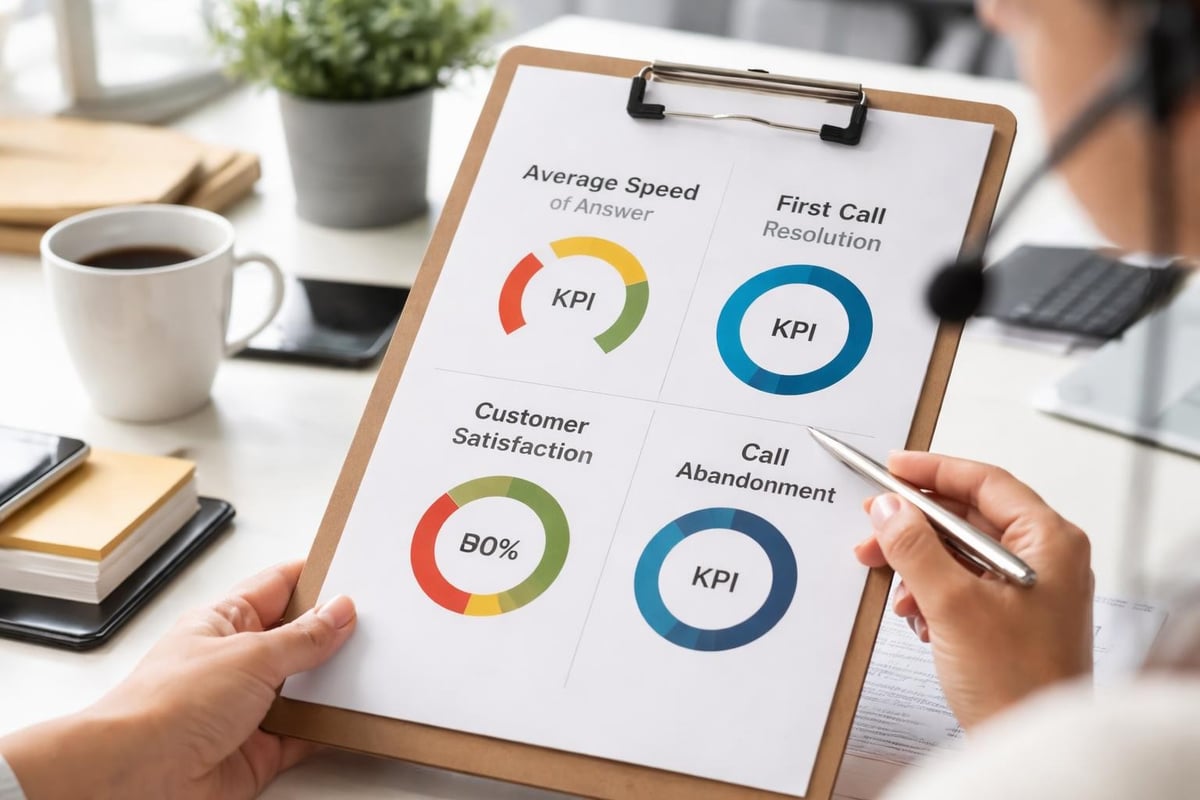
Key performance indicators for phone-based support include:

  • Average speed of answer (ASA)
  • First call resolution (FCR) rate
  • Customer satisfaction scores (CSAT)
  • Net promoter score (NPS)
  • Average handle time (AHT)
  • Call abandonment rate

Call center performance metrics dashboard

Building a Multi-Tier Support Structure

Modern customer service number systems benefit from intelligent call routing that directs customers to the right resource immediately. A well-designed tier structure ensures that simple inquiries receive quick resolution while complex issues reach specialized agents without unnecessary transfers.

Tier 1 agents handle routine questions and account updates. These representatives follow established scripts and decision trees to provide consistent service. Tier 2 specialists possess deeper product knowledge and technical expertise for escalated issues. Tier 3 support includes subject matter experts who resolve the most challenging customer problems.

Organizations partnering with customer care outsourcing providers gain access to pre-trained agents across all support tiers. This approach eliminates the time and expense of building internal capability from scratch while maintaining service quality.

Technology Infrastructure for Modern Phone Support

The technical foundation supporting your customer service number determines how efficiently you can serve customers at scale. Interactive voice response (IVR) systems provide the first layer of service, offering self-service options and collecting preliminary information before routing calls to live agents.

Cloud-based call center platforms enable geographic flexibility and business continuity. Agents can work from distributed locations while maintaining seamless access to customer data and collaboration tools. This infrastructure proves essential for companies operating across multiple time zones or requiring 24/7 coverage.

Technology Component Primary Function Business Impact
IVR System Call routing and self-service Reduces agent workload by 30-40%
CRM Integration Unified customer view Improves FCR by 25-35%
Call Recording Quality assurance and training Enhances agent performance 15-20%
Real-time Analytics Performance monitoring Enables immediate operational adjustments
AI-Powered Routing Skills-based distribution Increases CSAT by 20-30%

Computer telephony integration (CTI) connects phone systems with customer relationship management platforms. When customers call your customer service customer service number, agents instantly see the complete interaction history, purchase records, and account status. This context enables personalized service without frustrating authentication processes.

Implementing Omnichannel Support Architecture

While maintaining a strong customer service number, forward-thinking companies integrate phone support within broader omnichannel strategies. Customers increasingly expect to start conversations on one channel and continue them on another without repeating information.

Omnichannel customer service creates unified experiences across phone, email, chat, social media, and SMS channels. The customer service customer service number becomes one touchpoint within an interconnected ecosystem where every interaction informs future service delivery.

Implementing omnichannel capabilities requires careful data integration and agent training. Representatives must navigate multiple systems simultaneously while maintaining conversation quality. Many businesses find that call center outsourcing Six Sigma methodologies help establish the process discipline necessary for consistent omnichannel execution.

Agent Training and Quality Assurance Programs

The human element determines whether your customer service number delivers exceptional experiences or frustrating encounters. Comprehensive training programs equip agents with product knowledge, communication skills, and problem-solving frameworks necessary for success.

Initial training typically spans two to four weeks, covering company policies, system navigation, and customer interaction protocols. However, ongoing development proves equally important. Top-performing call centers dedicate 5-10% of agent time to continuous learning through refresher courses, scenario-based exercises, and peer coaching sessions.

Essential training modules include:

  1. Product and service deep dives
  2. Communication and de-escalation techniques
  3. System proficiency and troubleshooting
  4. Compliance and security protocols
  5. Cultural sensitivity and diversity awareness
  6. Time management and productivity strategies

Quality assurance processes ensure training translates into consistent performance. Call monitoring evaluates agent adherence to established standards while identifying coaching opportunities. The most effective QA programs combine random call sampling with targeted reviews of specific interaction types or performance outliers.

Customer service training workflow

Performance Management and Recognition Systems

Motivating agents who staff your customer service number requires balanced performance management that emphasizes both quantitative metrics and qualitative service delivery. Scorecards should track productivity indicators like call volume and handle time alongside customer satisfaction and first contact resolution rates.

Recognition programs celebrating exceptional performance reinforce desired behaviors and boost morale. Public acknowledgment, monetary incentives, and career advancement opportunities all contribute to agent engagement. Companies with structured recognition programs experience 30-40% lower turnover rates than those without formal appreciation systems.

Customer service best practices emphasize the importance of agent empowerment alongside accountability. Representatives who feel trusted to make decisions demonstrate higher job satisfaction and deliver better customer outcomes than those bound by rigid scripts and approval requirements.

Call Routing Optimization Strategies

Intelligent call routing ensures that customers reaching your customer service number connect with the most appropriate resource for their specific needs. Skills-based routing matches callers with agents possessing relevant expertise based on product lines, languages, or technical specializations.

Geographic routing directs calls to regional teams familiar with local regulations, cultural norms, and business practices. This approach proves particularly valuable for companies serving diverse markets through global locations spanning multiple countries and time zones.

Predictive routing leverages artificial intelligence to analyze caller data and interaction history before assigning conversations. Machine learning algorithms identify patterns correlating specific customer attributes with successful resolution by particular agent profiles. This sophisticated approach can improve first call resolution rates by 15-25% compared to traditional routing methods.

Managing Peak Volume and Seasonal Fluctuations

Call volume rarely remains constant throughout the day, week, or year. Your customer service number must accommodate demand spikes without compromising service levels or incurring excessive idle time during slow periods.

Workforce management systems forecast call volumes based on historical patterns and known business events. These predictions inform scheduling decisions, ensuring adequate staffing during peak hours while minimizing overstaffing during valleys. Real-time adherence monitoring tracks whether agents are available as scheduled and enables dynamic adjustments when actual volume deviates from forecasts.

Many companies address seasonal demand through flexible staffing arrangements with BPO partners. Rather than maintaining permanent headcount for occasional volume surges, outsourcing relationships allow rapid scaling up or down based on business needs. This approach optimizes labor costs while maintaining service quality during critical periods.

Customer Data Management and Privacy Compliance

Every interaction through your customer service number generates valuable data about customer preferences, pain points, and behavior patterns. Proper data management transforms these insights into strategic advantages while maintaining privacy compliance across all applicable regulations.

Best practices for phone contact data emphasize validation and verification processes that ensure accuracy. Incorrect phone numbers create frustration when customers cannot reach support or when outbound communications fail to connect. Regular data hygiene routines identify and correct invalid contact information.

Privacy regulations, including GDPR, CCPA, and industry-specific requirements like HIPAA, mandate strict controls around customer data collection, storage, and usage. Call recording disclosures, data retention policies, and agent access controls all play essential roles in compliance programs. Non-compliance risks include substantial fines, legal liability, and reputational damage.

Compliance Requirement Implementation Approach Verification Method
Call recording disclosure Automated announcements Monthly audit samples
Data encryption End-to-end encryption protocols Quarterly security assessments
Access controls Role-based permissions Access log reviews
Retention policies Automated purging schedules Compliance reporting
Breach notification Incident response procedures Annual tabletop exercises

Building Trust Through Transparent Communication

Customers calling your customer service number deserve honest, straightforward communication about product capabilities, service limitations, and resolution timelines. Customer service etiquette principles emphasize setting realistic expectations rather than overpromising to close conversations quickly.

Transparency extends to hold times and availability. Clear communication about expected wait times allows customers to make informed decisions about whether to remain on hold, request callbacks, or pursue alternative channels. Companies that provide accurate wait time estimates experience lower abandonment rates than those offering vague assurances.

Measuring and Improving Customer Service Customer Service Number Performance

Continuous improvement requires robust measurement frameworks that track both operational efficiency and customer satisfaction outcomes. Dashboard systems provide real-time visibility into key metrics, enabling supervisors to identify emerging issues and implement corrective actions before problems escalate.

Post-call surveys capture immediate customer feedback about service quality. These brief questionnaires measure satisfaction with specific interactions while identifying recurring themes requiring attention. Response rates improve when surveys remain short and clearly explain how feedback influences service improvements.

Voice of the customer programs aggregate feedback from multiple sources, including surveys, social media mentions, review sites, and direct correspondence. This comprehensive view reveals patterns that single-channel analysis might miss. Advanced text analytics extracts themes from open-ended feedback, quantifying qualitative insights.

Key analysis approaches include:

  • Trend analysis tracking metrics over time
  • Comparative benchmarking against industry standards
  • Root cause analysis for performance gaps
  • Correlation studies linking specific practices to outcomes
  • Predictive modeling forecasting future performance

Customer feedback analysis system

Implementing Continuous Improvement Cycles

Measurement without action wastes resources and frustrates teams. Structured improvement processes translate insights into operational changes that enhance customer service number performance. Six Sigma DMAIC methodology provides a proven framework for systematic enhancement.

The define phase establishes specific improvement objectives tied to customer pain points or business goals. The measure phase quantifies current state performance and validates data collection methods. Analyze phase identifies root causes underlying performance gaps. Improve phase designs and implement solutions addressing those causes. Control phase embeds changes into standard operating procedures and monitors sustainability.

Many organizations leverage BPO operational excellence expertise to accelerate improvement initiatives. External specialists bring cross-industry experience and proven methodologies that internal teams may lack.

Global Delivery Models for 24/7 Support

Customers expect access to support whenever needs arise, regardless of time zones or business hours. Establishing true 24/7 customer service number availability requires geographic distribution across regions that collectively span all daylight hours.

Follow-the-sun models route calls to the region currently experiencing business hours. Customers in North America receive support from domestic teams during daytime, while overnight calls route to teams in Asia-Pacific. This approach maintains native-language support and cultural alignment while providing round-the-clock availability.

Nearshore and offshore delivery centers offer cost advantages while maintaining service quality. Focus Services operates teams across the United States, El Salvador, the Philippines, and South Africa, providing clients with flexible delivery options that balance cost efficiency with cultural and linguistic considerations.

Cultural Considerations in Global Support Operations

Cultural competency becomes essential when your customer service number connects customers with international support teams. Communication styles, conflict resolution approaches, and service expectations vary significantly across cultures.

Training programs addressing cultural differences help agents navigate these nuances effectively. Understanding high-context versus low-context communication styles, direct versus indirect feedback preferences, and individualist versus collectivist values all contribute to successful cross-cultural interactions.

Language proficiency extends beyond basic fluency to include industry terminology, regional dialects, and colloquialisms. Accent neutralization training helps ensure clear communication without compromising authentic representation. The goal is natural conversation flow that builds rapport rather than creating barriers.

Technology Trends Shaping Future Phone Support

Artificial intelligence increasingly augments human agents staffing customer service operations. Conversational AI handles routine inquiries through natural language processing, freeing human representatives for complex problem-solving requiring empathy and judgment.

Learn more on our Blog Post about AI Technology and balancing the human touch: AI Call Center Best Practices.

Real-time agent assist technologies analyze ongoing conversations and provide representatives with relevant information, suggested responses, and next-best-action recommendations. These tools enhance agent effectiveness without replacing the human element that customers value during challenging situations.

Sentiment analysis evaluates customer emotional states during conversations, alerting supervisors when interactions require intervention. Proactive coaching during difficult calls prevents escalation while developing agent de-escalation skills.

Emerging technologies include:

  1. Predictive dialing optimization
  2. Voice biometrics for authentication
  3. Automated quality monitoring
  4. Speech analytics for trend identification
  5. Virtual reality training simulations
  6. Robotic process automation for post-call tasks

Balancing Automation with Human Connection

While technology enhances efficiency, over-automation risks damaging customer relationships. Customer helpline best practices recommend strategic automation deployment that complements rather than replaces human interaction.

Self-service options work well for simple, repetitive tasks like balance inquiries or appointment scheduling. However, complex problem-solving, emotional support, and relationship building still require human agents. The optimal customer service number strategy offers easy access to both automated and human assistance based on customer needs and preferences.

Statistics on customer service preferences reveal that while customers appreciate efficient self-service options, 75% still prefer speaking with human agents for important or complicated issues. Successful operations honor these preferences rather than forcing digital channels for cost reduction.

Financial Modeling for Customer Service Customer Service Number Operations

Understanding the economics of phone-based support enables informed decisions about in-house versus outsourced delivery models. Total cost of ownership includes agent salaries and benefits, technology infrastructure, facilities, management overhead, and training expenses.

Cost per contact metrics compare efficiency across channels and delivery models. While digital channels often show lower per-contact costs, phone interactions frequently deliver higher value through complex problem resolution and relationship development. Comprehensive financial analysis weighs both costs and outcomes.

Outsourcing transforms fixed costs into variable expenses that scale with demand. Rather than maintaining permanent infrastructure and headcount for peak capacity, companies pay for utilized services. This flexibility proves particularly valuable for businesses with seasonal patterns or rapid growth trajectories.

Cost Component In-House Model Outsourced Model
Agent labor $35,000-55,000 annually $18-32 per hour utilized
Technology infrastructure $500,000-2M initial + maintenance Included in per-hour rate
Facilities $8,000-15,000 per seat annually Included in per-hour rate
Management overhead 15-20% of agent costs Included in per-hour rate
Training programs $2,000-5,000 per agent Included in per-hour rate

Optimizing your customer service number strategy requires balancing technology investment, agent development, process excellence, and customer-centric policies across all touchpoints. Whether you’re building internal capabilities or exploring outsourcing partnerships, the principles outlined above provide a roadmap for delivering exceptional phone-based support that drives customer loyalty and business growth. Focus Services brings decades of global BPO expertise to help companies implement these best practices through scalable, high-performance customer care programs tailored to your specific industry and operational requirements.


Contact Focus Services to discover how our proven methodologies and international delivery capabilities can transform your customer support operations.

Focus Services Logo

Global BPO and AI-enabled customer experience solutions. Nearshore and offshore call center outsourcing built for growth-focused companies.

Call Us:
(801) 393-1635

© 2005–2026 Focus Services, LLC. All Rights Reserved.

Our Services

  • Call Center Outsourcing
  • Customer Care Outsourcing
  • AI Agent Solutions
  • Sales Call Center Outsourcing
  • IT Outsourcing
  • Tech Support Outsourcing
  • Utility Call Center Outsourcing
  • BPO Operational Excellence

Company

  • About Us
  • Leadership
  • Careers
  • Blog
  • Podcast
  • Locations
  • Industries
  • Privacy Policy
  • Terms of Service

Get Started

Talk to a BPO specialist. No pitch. Just answers.

Schedule Your Strategy Call

Follow Us

LinkedIn Facebook YouTube Instagram
Scroll to top