Customer Service 2026 TFN Number Best Practices
The customer service number remains the cornerstone of business communication in 2026, serving as the primary bridge between companies and their customers. Despite the proliferation of digital channels, phone-based support continues to deliver the personal touch that complex issues require. For businesses scaling their operations, understanding how to optimize their customer service number strategy can dramatically impact customer satisfaction, retention, and overall brand perception. This comprehensive guide explores the essential elements of effective phone-based customer support and how modern outsourcing solutions can elevate your service delivery.
The Strategic Importance of Your Customer Service Customer Service Number
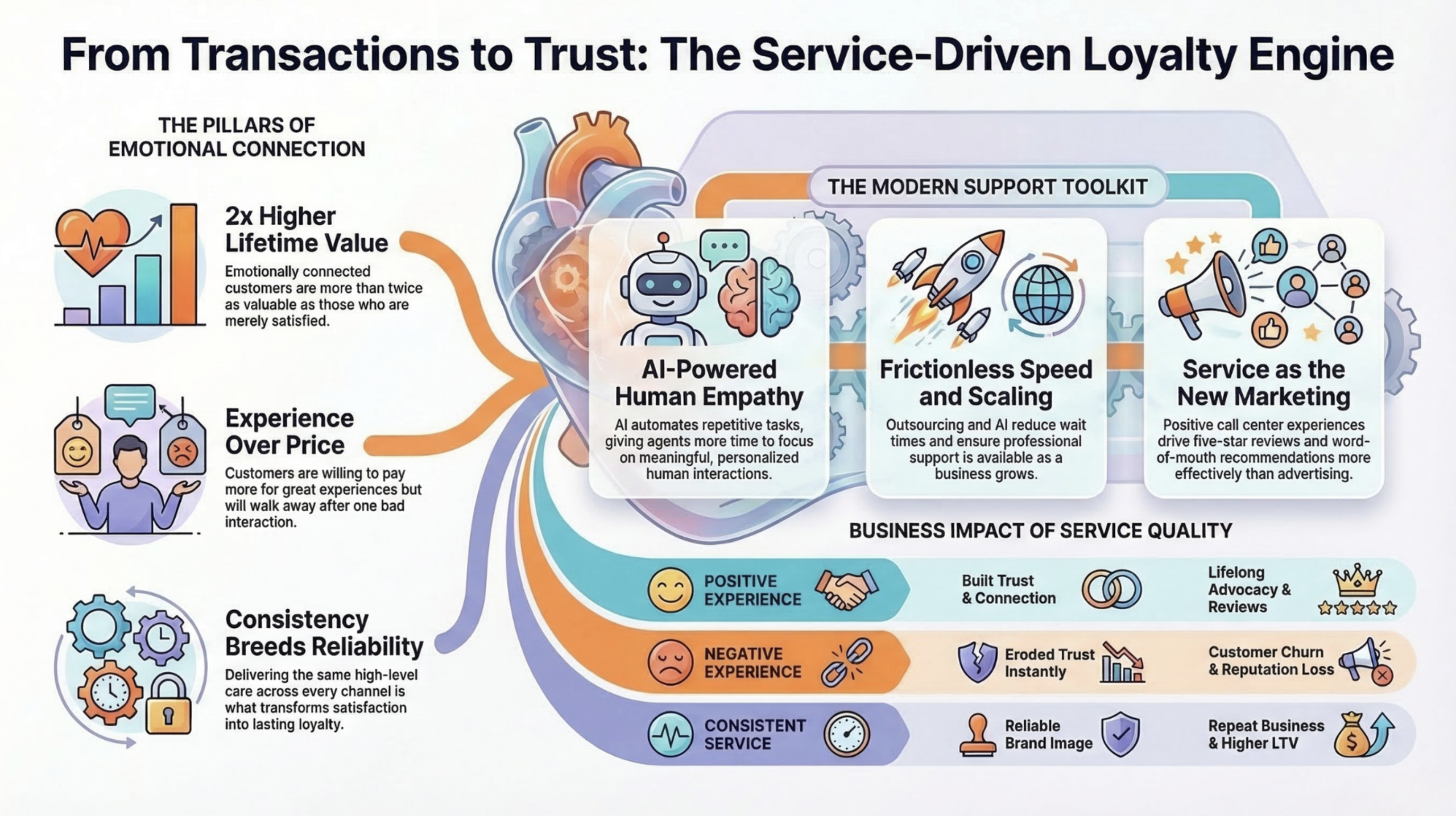
Your customer service number represents more than just the digits customers dial. It embodies your brand’s commitment to accessibility and problem resolution. Research shows that customers who successfully resolve issues through phone support demonstrate higher loyalty rates than those who struggle through self-service options.
The effectiveness of your customer service number depends on multiple interconnected factors. Call routing efficiency, agent training quality, wait time management, and post-call follow-up all contribute to the overall customer experience. Companies that treat their phone support as a strategic asset rather than a cost center consistently outperform competitors in customer satisfaction metrics.
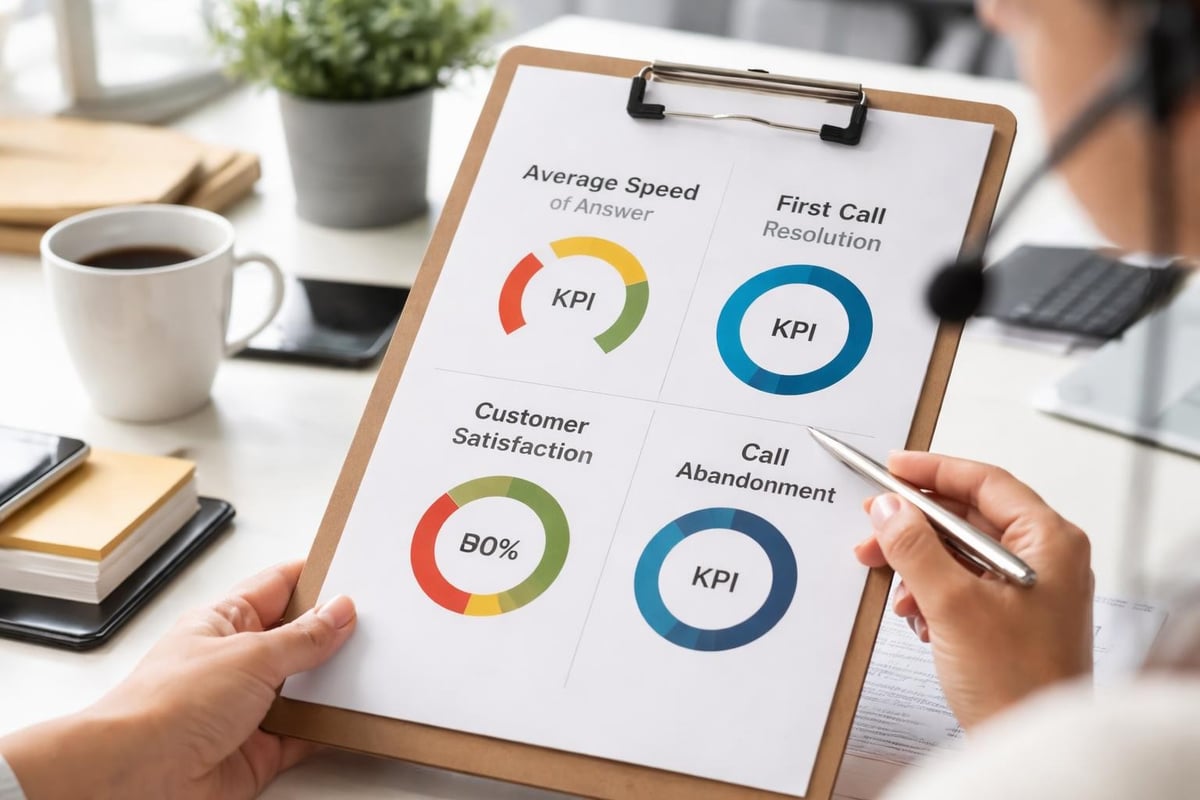
Key performance indicators for phone-based support include:
- Average speed of answer (ASA)
- First call resolution (FCR) rate
- Customer satisfaction scores (CSAT)
- Net promoter score (NPS)
- Average handle time (AHT)
- Call abandonment rate