
Customer Care: Building Excellence in 2026
The landscape of customer service has fundamentally transformed over the past decade, but one principle remains constant: exceptional customer care drives business growth and creates lasting competitive advantage. As organizations navigate increasingly complex customer expectations in 2026, the distinction between transactional support and genuine customer care has never been more critical. Companies that master customer care don’t just resolve issues-they build relationships, anticipate needs, and create experiences that turn customers into advocates. This comprehensive approach requires strategic planning, technological investment, and a workforce trained to deliver excellence at every touchpoint.
Understanding the Foundation of Customer Care
Contents
- 1 Understanding the Foundation of Customer Care
- 2 Implementing Technology-Enhanced Customer Care
- 3 Building High-Performance Customer Care Teams
- 4 Measuring Customer Care Effectiveness
- 5 Adapting to Emerging Customer Expectations
- 6 Addressing Trust and Transparency in AI-Driven Support
- 7 Outsourcing Strategic Customer Care Functions
- 8 Personalizing Customer Care at Scale
- 9 Creating Customer Customer Care Excellence Through Culture
Customer care extends far beyond answering phones and responding to emails. It represents a holistic approach to every interaction your organization has with customers, from pre-sale inquiries to post-purchase support and ongoing relationship management. The fundamental concept of customer care emphasizes building trust through consistent, empathetic engagement that prioritizes customer success over short-term metrics.
Modern customer care operates on several core principles that separate exceptional programs from mediocre ones. Proactive engagement means reaching out before problems escalate, personalized interactions demonstrate you understand individual customer contexts, and continuous improvement ensures your service evolves with changing expectations. These principles require organizational commitment that extends from executive leadership through every team member.

The Business Impact of Superior Customer Care
Organizations investing in customer care realize measurable returns across multiple dimensions. Customer retention rates improve significantly when people feel valued and understood, reducing the costly cycle of constant customer acquisition. Research consistently demonstrates that retaining existing customers costs substantially less than acquiring new ones, making excellence in customer care a direct profit driver.
Revenue impact manifests through:
- Increased customer lifetime value as satisfied customers make repeat purchases
- Higher average transaction values when customers trust your recommendations
- Reduced churn rates that stabilize revenue forecasting
- Positive word-of-mouth marketing that lowers acquisition costs
Beyond revenue, operational efficiency improves when customer care programs reduce escalations, minimize repeat contacts, and resolve issues during first interactions. These efficiency gains compound over time, creating sustainable competitive advantages that competitors struggle to replicate.
Implementing Technology-Enhanced Customer Care
The integration of artificial intelligence and automation has revolutionized how organizations deliver customer care without sacrificing the human touch that builds genuine relationships. AI-powered support systems now handle routine inquiries instantly, freeing human agents to focus on complex situations requiring empathy, creativity, and judgment.
Strategic technology implementation follows a deliberate framework. Begin by identifying repetitive, high-volume interactions that don’t require nuanced human judgment-password resets, order status inquiries, basic product information requests. Deploy AI solutions for these interactions while ensuring seamless escalation pathways when customers need human assistance. The goal isn’t replacing human agents but amplifying their capabilities.
| Technology Type | Best Use Cases | Human Complement |
|---|---|---|
| Chatbots | FAQs, order tracking, basic troubleshooting | Complex problem-solving |
| IVR Systems | Call routing, account verification, and appointment scheduling | Emotional situations |
| Predictive Analytics | Identifying at-risk customers, anticipating needs | Relationship building |
| Knowledge Management | Consistent information delivery, self-service | Interpretation and context |
Balancing Automation with Human Connection
While technology enables scale and efficiency, customer care excellence requires maintaining authentic human connections. The importance of human touch in the AI era cannot be overstated, particularly for situations involving frustration, confusion, or high-stakes decisions. Customers increasingly value the option to reach knowledgeable humans who can understand context and exercise judgment.
Successful programs create clear decision trees determining when automation serves customers best and when human intervention becomes essential. Train your workforce to recognize these inflection points and empower them to take ownership when they engage. This approach to coaching and behavior management ensures consistency while allowing flexibility.
Building High-Performance Customer Care Teams
The quality of your customer customer care directly correlates with the capabilities and engagement of your team members. Recruitment, training, and ongoing development represent critical investments that separate exceptional programs from average ones. Focus Services operates global teams across the United States, El Salvador, the Philippines, and South Africa, leveraging diverse talent pools to deliver culturally appropriate, language-specific support.
Effective hiring identifies candidates with natural empathy, problem-solving abilities, and communication skills. Technical knowledge can be taught, but genuine customer orientation stems from intrinsic motivation and values alignment. Structure your selection process to assess these qualities through behavioral interviews, situational judgment tests, and realistic job previews.
Comprehensive Training Programs
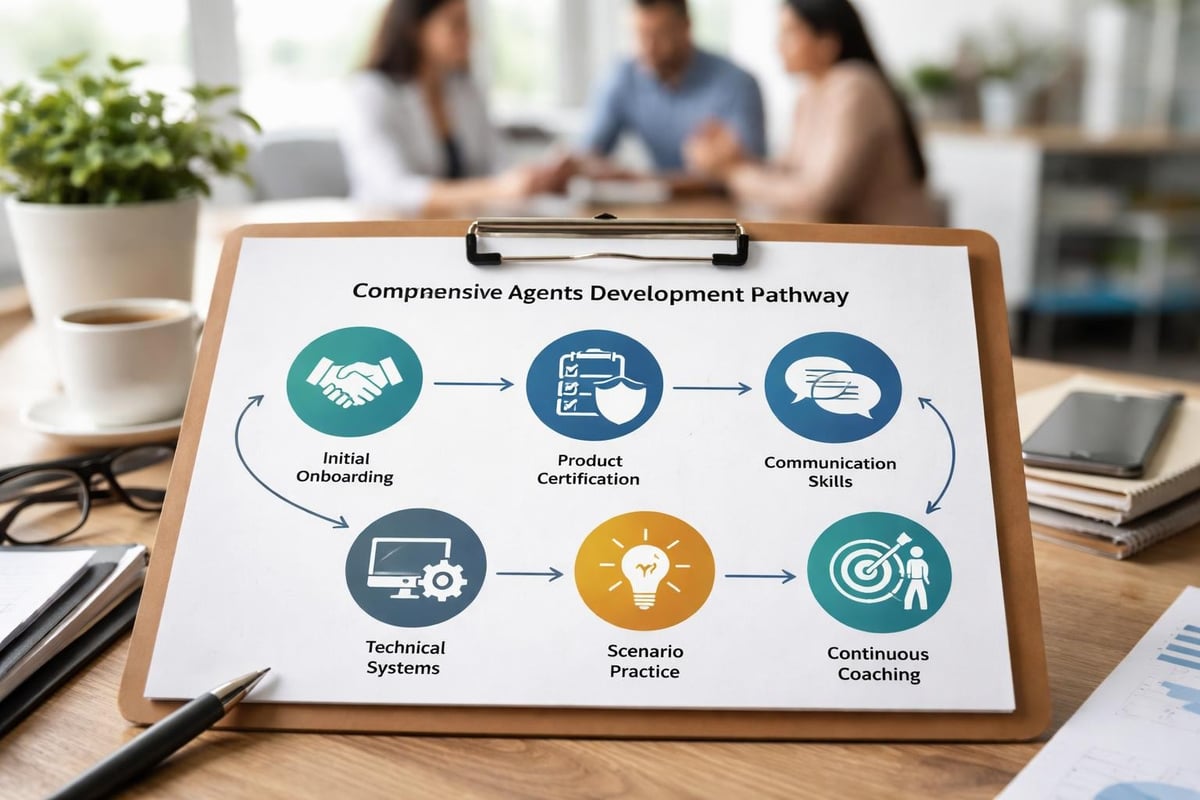
Training programs for customer customer care should address multiple competency areas beyond product knowledge. Agents need communication skills that adapt to different customer personalities, conflict resolution techniques that de-escalate tense situations, and technical proficiency with your support systems and tools.
Essential training components include:
- Product and service deep-dives covering features, benefits, and common use cases
- Communication frameworks for active listening, empathy statements, and clear explanations
- System navigation ensuring efficient use of CRM, knowledge bases, and ticketing platforms
- Scenario-based practice addressing real situations agents will encounter
- Ongoing coaching sessions that reinforce skills and address development opportunities
Implementing Six Sigma methodologies in call center operations creates structured approaches to identifying performance gaps and implementing data-driven improvements. This systematic framework ensures your customer customer care program continuously evolves based on measurable outcomes rather than assumptions.
Measuring Customer Care Effectiveness
What gets measured gets managed, and customer customer care programs require robust metrics that capture both efficiency and quality dimensions. Traditional call center metrics like average handle time provide operational insights but don’t fully capture customer experience quality. Comprehensive measurement frameworks balance speed with satisfaction, resolution with relationship building.
Key Performance Indicators for Customer Care
Different metrics serve different purposes within your measurement strategy. Operational metrics track efficiency and productivity, quality metrics assess interaction excellence, and outcome metrics evaluate business impact.
| Metric Category | Example Metrics | Strategic Value |
|---|---|---|
| Operational | Average handle time, first call resolution, response time | Resource planning, staffing optimization |
| Quality | Customer satisfaction scores, quality assurance ratings, sentiment analysis | Training needs, process improvements |
| Outcome | Customer retention rate, net promoter score, customer lifetime value | Program ROI, strategic alignment |
| Agent Experience | Employee satisfaction, attrition rates, and internal quality scores | Workforce stability, engagement |
Beyond quantitative metrics, qualitative feedback provides essential context that numbers alone cannot capture. Regular customer interviews, focus groups, and detailed feedback analysis reveal why scores change and what specific elements drive satisfaction or frustration. This qualitative intelligence informs strategic decisions about program evolution.
Leveraging Data for Continuous Improvement
Customer care generates enormous data volumes that, when properly analyzed, reveal patterns and opportunities invisible to individual agents or supervisors. Advanced analytics platforms identify trends across thousands of interactions, highlighting recurring issues, successful resolution strategies, and customer sentiment shifts.
Establishing regular review cycles ensures data translates into action. Monthly performance reviews examine trends and outliers, quarterly strategic assessments evaluate program alignment with business objectives, and annual deep-dives inform resource allocation and technology investments. This disciplined approach to performance analysis ensures your customer care program remains responsive and effective.
Adapting to Emerging Customer Expectations
Customer expectations continue evolving as new technologies and service models emerge across industries. What delighted customers two years ago now represents baseline expectations, and organizations must continuously raise their customer care standards to maintain competitive positioning. Understanding and anticipating these shifts separates industry leaders from followers.
Customer service trends in 2026 emphasize personalization at scale, omnichannel consistency, and proactive rather than reactive support. Customers expect you to remember their preferences, maintain context across channels, and anticipate needs based on usage patterns and life events.
Omnichannel Integration
Modern customers interact with brands across multiple channels-phone, email, chat, social media, and self-service portals-and expect seamless experiences regardless of where interactions occur. Customer care programs must integrate these channels so context flows smoothly when customers switch from self-service to chat to phone support.
- Unified customer profiles consolidate interaction history across all touchpoints
- Channel-agnostic workflows enable agents to serve customers regardless of contact method
- Consistent knowledge bases ensure uniform information across self-service and agent-assisted channels
- Intelligent routing directs customers to optimal channels based on inquiry complexity and preferences
Technology platforms enabling this integration represent significant investments, but the customer experience improvements and operational efficiencies justify the costs. Organizations maintaining channel siloes increasingly frustrate customers who must repeat information and restart resolution processes when switching channels.

Addressing Trust and Transparency in AI-Driven Support
As artificial intelligence becomes more prevalent in customer customer care, organizations must address growing customer concerns about privacy, accuracy, and the loss of human connection. Customer trust in AI remains fragile, with many people preferring human agents for important matters despite AI efficiency gains.
Building trust requires transparency about when customers interact with AI versus humans, clear explanations of how customer data informs personalization, and easy escalation pathways when AI solutions prove insufficient. Never attempt to disguise AI as human interaction, as discovery damages trust far more than honest disclosure.
Best Practices for Ethical AI Implementation
Responsible AI deployment in customer customer care follows established ethical principles. Algorithms must be regularly audited for bias, customer data must be protected with enterprise-grade security, and human oversight must remain available for all AI-generated recommendations or decisions.
Implementation guidelines include:
- Clearly identify AI interactions at the beginning of each engagement
- Provide opt-out mechanisms for customers preferring human agents
- Maintain human review processes for high-stakes decisions
- Regularly test AI systems for accuracy and bias
- Document and communicate data usage policies transparently
Organizations demonstrating commitment to ethical AI usage build customer confidence and differentiate themselves from competitors taking shortcuts. This principled approach to customer customer care technology adoption creates sustainable competitive advantages based on trust rather than just efficiency.
Outsourcing Strategic Customer Care Functions
Many organizations partner with specialized providers to access expertise, technology, and global talent pools that would be cost-prohibitive to develop internally. Strategic outsourcing enables companies to scale customer care capacity rapidly, access multilingual capabilities, and leverage proven best practices developed across hundreds of client engagements.
When evaluating outsourcing partners, assess their technology platforms, quality assurance methodologies, training programs, and cultural alignment with your brand values. The right partner becomes an extension of your team rather than a separate vendor, deeply understanding your products, customers, and business objectives. Focus Services provides comprehensive BPO services designed to integrate seamlessly with client operations while maintaining brand consistency.
Selecting the Right Outsourcing Model
Different outsourcing approaches serve different business needs. Fully outsourced programs transfer complete responsibility to the partner, co-sourced models split functions between internal and external teams, and hybrid approaches use outsourcing for overflow and after-hours coverage while maintaining core internal capabilities.
Geographic considerations matter significantly in customer customer care outsourcing. Nearshore locations like El Salvador offer cultural alignment and minimal time zone differences for US-based companies, while offshore locations like the Philippines provide cost efficiencies and large English-speaking talent pools. South African operations serve European and African markets effectively with strong language skills and cultural compatibility.
Personalizing Customer Care at Scale
Generic, scripted interactions frustrate modern customers who expect personalized experiences reflecting their history, preferences, and individual circumstances. Customer customer care programs must balance operational efficiency with customized approaches that make each customer feel uniquely valued.
Advanced CRM systems provide agents with comprehensive customer profiles before interactions begin-purchase history, previous support inquiries, communication preferences, and lifetime value indicators. This information enables agents to tailor their approach, reference relevant history, and make informed decisions about resolution strategies.
Personalization extends beyond using customer names and referencing previous interactions. True personalization anticipates needs based on customer segments, usage patterns, and life events. Proactive outreach about relevant products, timely reminders about subscriptions or renewals, and customized recommendations demonstrate you understand each customer’s unique situation.
Personalization tactics that enhance customer customer care:
- Customized communication based on channel preferences and response patterns
- Predictive recommendations informed by purchase history and browsing behavior
- Segment-specific offers and solutions addressing common pain points
- Lifecycle-based outreach timed to customer journey stages
- Preference-based service delivery matching individual expectations
Technology enables personalization at scale, but human judgment remains essential for interpreting data and applying insights appropriately. Train agents to use available information while avoiding assumptions or overly familiar approaches that may discomfort some customers.
Creating Customer Customer Care Excellence Through Culture
Technology and processes provide the foundation for effective customer customer care, but organizational culture determines whether programs achieve true excellence. Companies where every employee-from executives to frontline agents-genuinely prioritizes customer success create experiences that transcend transactional support and build lasting loyalty.
Building customer-centric culture starts with leadership modeling desired behaviors. When executives regularly engage with customers, celebrate service excellence stories, and resource customer customer care appropriately, they signal organizational priorities clearly. This top-down commitment enables middle managers and frontline supervisors to reinforce customer focus through daily decisions and coaching conversations.
Recognition programs acknowledging exceptional customer customer care performance reinforce desired behaviors and create aspirational standards. Celebrate agents who turn frustrated customers into advocates, solve complex problems creatively, and consistently exceed quality standards. Public recognition through team meetings, internal communications, and awards programs amplifies impact beyond individual recipients.
Empowering Frontline Decision-Making
Rigid policies and excessive approval requirements undermine customer customer care quality by preventing agents from exercising judgment and taking ownership of customer situations. Empowerment frameworks establish clear boundaries within which agents can make decisions independently-refund limits, credit authorities, escalation thresholds-while encouraging creative problem-solving within those parameters.
Empowered agents resolve issues faster, demonstrate greater job satisfaction, and create better customer experiences than those required to seek approval for routine decisions. This empowerment requires hiring judgment-capable individuals, providing thorough training on decision frameworks, and accepting that occasional mistakes represent acceptable costs of faster, more satisfying customer care.
Delivering exceptional customer customer care in 2026 requires balancing cutting-edge technology with genuine human connection, operational efficiency with personalized experiences, and cost management with quality excellence. Organizations that master this balance create sustainable competitive advantages through customer loyalty and advocacy. Focus Services partners with companies worldwide to design and deliver customer care programs that drive measurable business results through strategic workforce optimization, advanced technology integration, and proven quality methodologies across our global delivery centers.